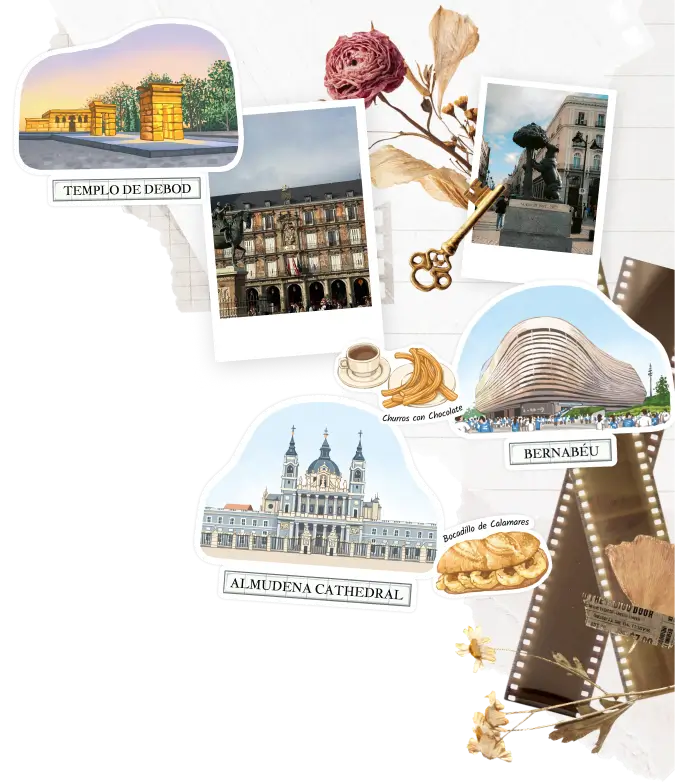
Madrid
Landmarks
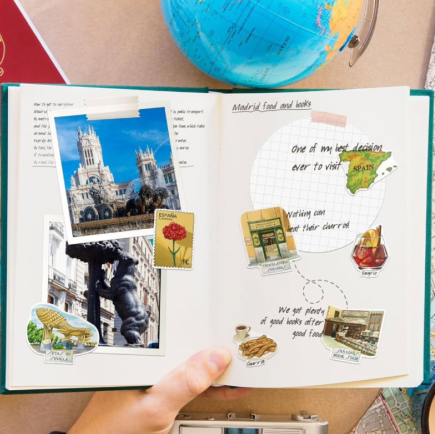
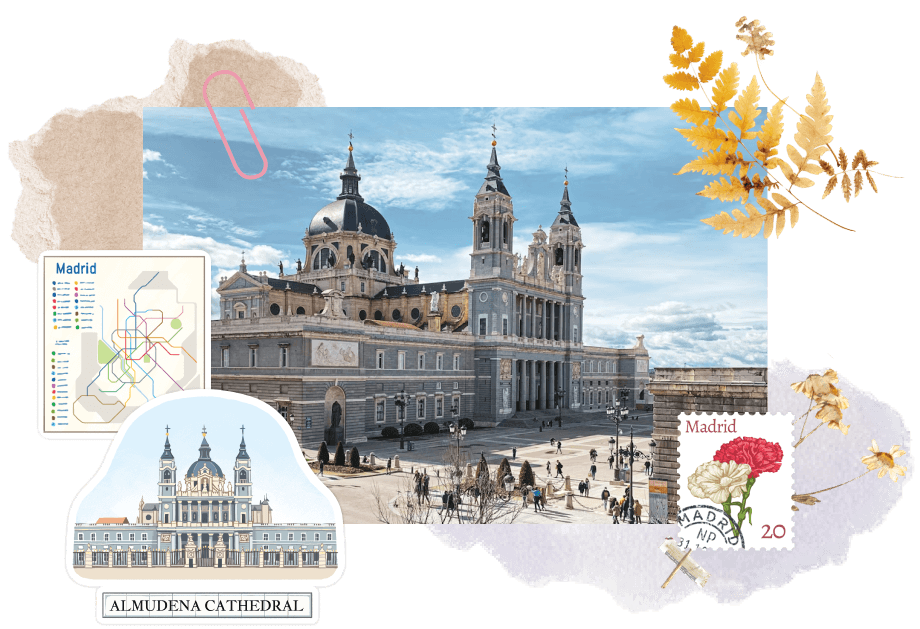
Almudena Cathedral
A major cathedral beside the Royal Palace, with a bright interior and a strong hilltop presence. It is an easy add on in the area.
Fun Fact
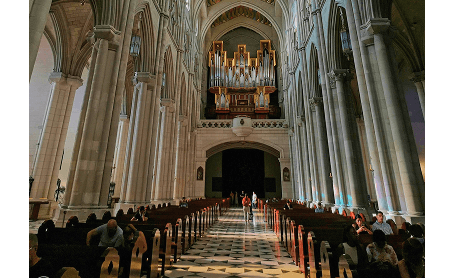
Almudena Cathedral took more than a century to complete: construction began in 1883 and it was consecrated in 1993 by Pope John Paul II.
Photo Tip
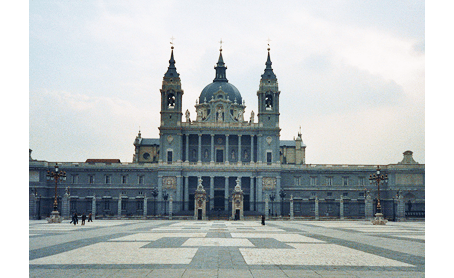
Cross the plaza for the full facade, then shoot steady and flash-free inside where there is low light.
Travel Tip
Pair it with the Royal Palace on the same morning. You save transit time since they sit across from each other.
Family Travel Tip

Keep the visit short and quiet. Give kids one task: spot a candle area, a dome, and one colorful chapel detail.
Look Closer Tip
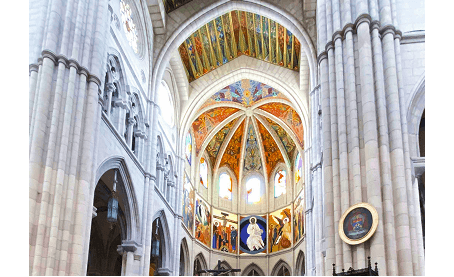
Notice how styles shift across the building. Ask which part feels most “cathedral” to your family and why.
Bernabéu
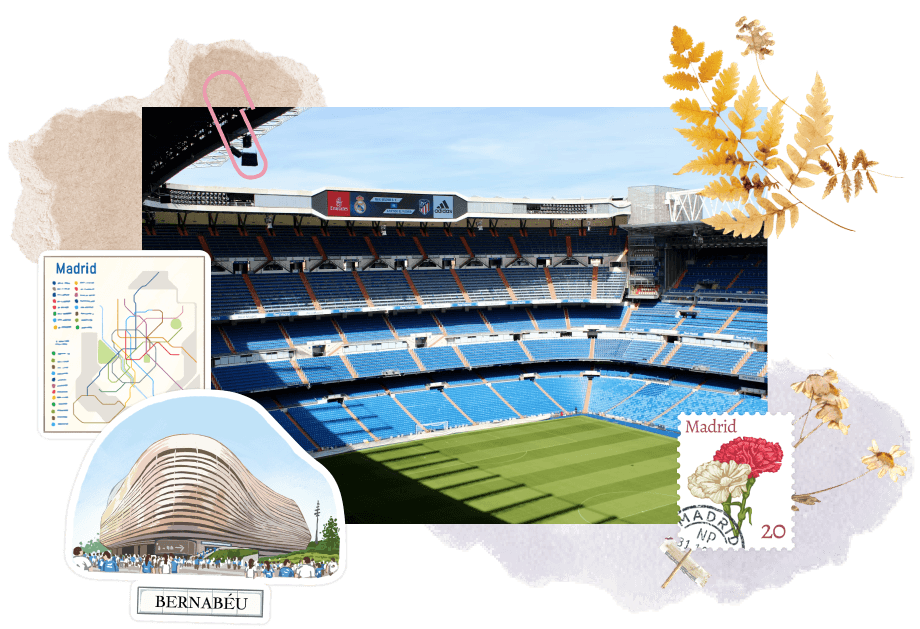
Real Madrid’s stadium and museum experience, designed for fans and curious visitors. Expect big views and club history.
Fun Fact
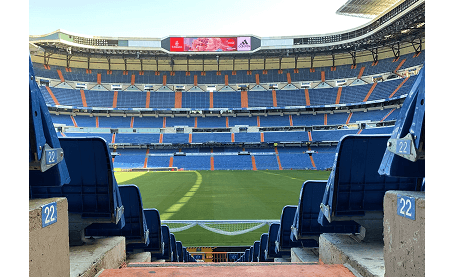
Real Madrid’s stadium first opened in 1947, and after its recent renovation it now has a retractable roof.
Photo Tip
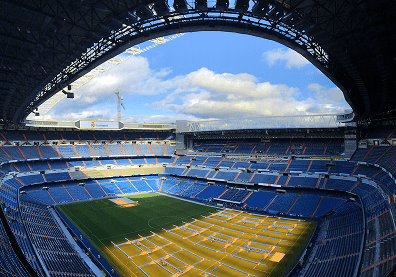
Use the panoramic viewpoint for the “whole bowl” shot. Tap to lock exposure so the field does not turn bright white.
Travel Tip
Check match days and event closures before you go. Aim for a weekday morning for smoother entry.
Family Travel Tip

Bring ear protection for younger kids if you visit during busy hours. Give them one job: find the biggest trophy case.
Look Closer Tip
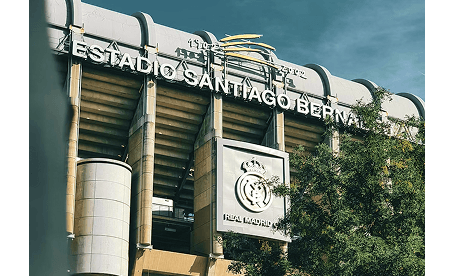
In the museum, pause at one era and ask: “What do you think made this team special then?” It turns facts into story.
Casa Del Libro
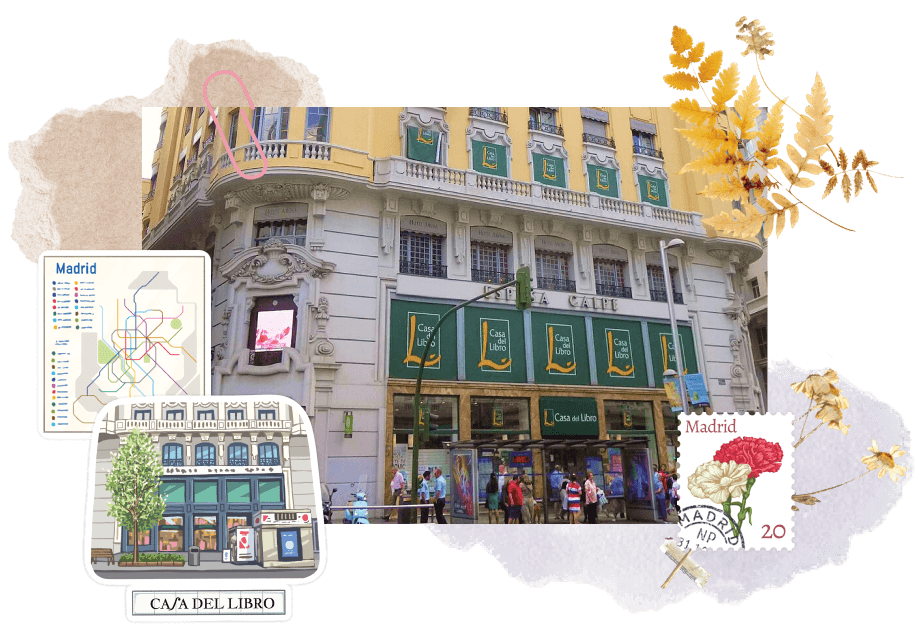
A classic Madrid bookstore stop, perfect for picking up a Spanish kids book, postcard book, or journal supplies for the trip.
Fun Fact
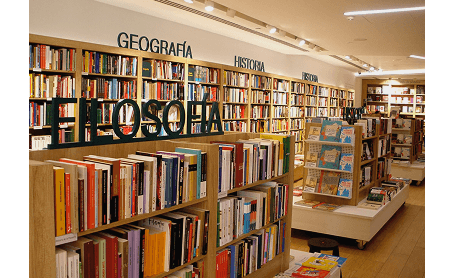
Casa del Libro’s Gran Vía flagship opened on 15 April 1923, and in 2023 it celebrated 100 years in that same literary address
Photo Tip
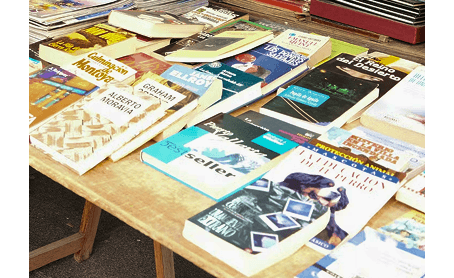
Photograph your book haul on a café table with tickets and receipts. It makes an easy flat lay for your memory page.
Travel Tip
Go mid morning on a weekday for calmer browsing. Pair it with a Gran Vía walk so it fits naturally into your route.
Family Travel Tip

Let kids pick one small item each: a sticker sheet, bookmark, or tiny notebook. It keeps the stop short and happy.
Look Closer Tip

Flip to the first blank page of your new journal and write one line: “What I hope we remember from Madrid is…”
El Rastro
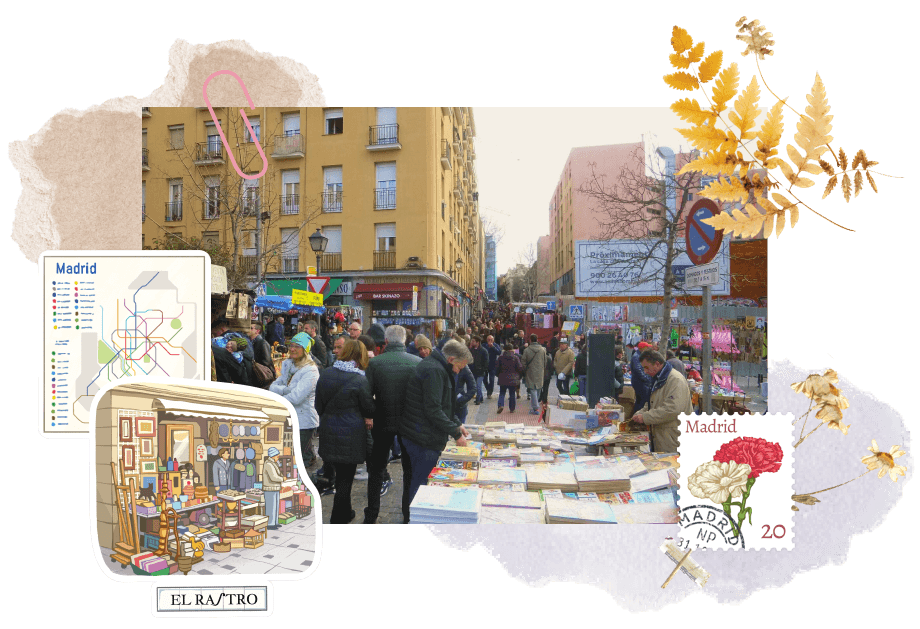
Madrid’s famous open air flea market with antiques, clothes, prints, and odd finds. It is loud, local, and full of character.
Fun Fact
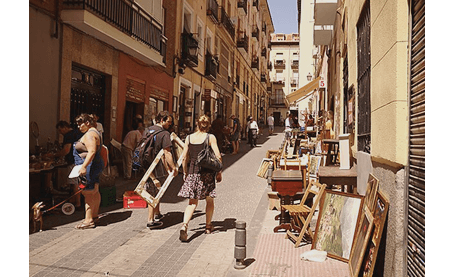
El Rastro is considered Madrid’s oldest and most traditional flea market.
Photo Tip
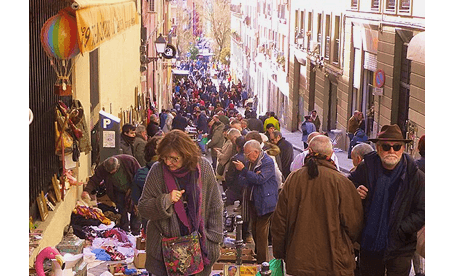
Shoot down Ribera de Curtidores from a side street for depth. Keep your phone on a wrist strap in crowds.
Travel Tip
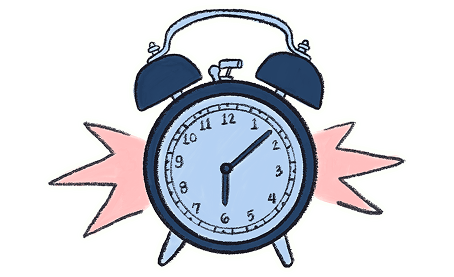
Go early for calmer browsing, then stop for a snack nearby once the lanes fill up. Sundays draw the biggest crowds.
Family Travel Tip

Set a meet spot like Plaza de Cascorro. Give kids one simple goal: find a postcard or sticker to add to the journal.
Look Closer Tip
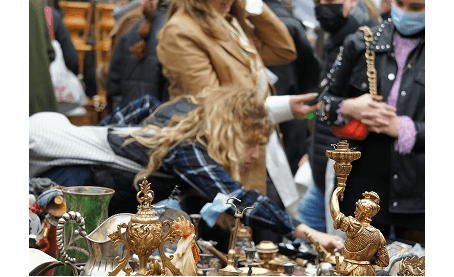
Look for old maps and print stalls. Even a small paper find can become the “memory piece” you tape into your scrapbook.
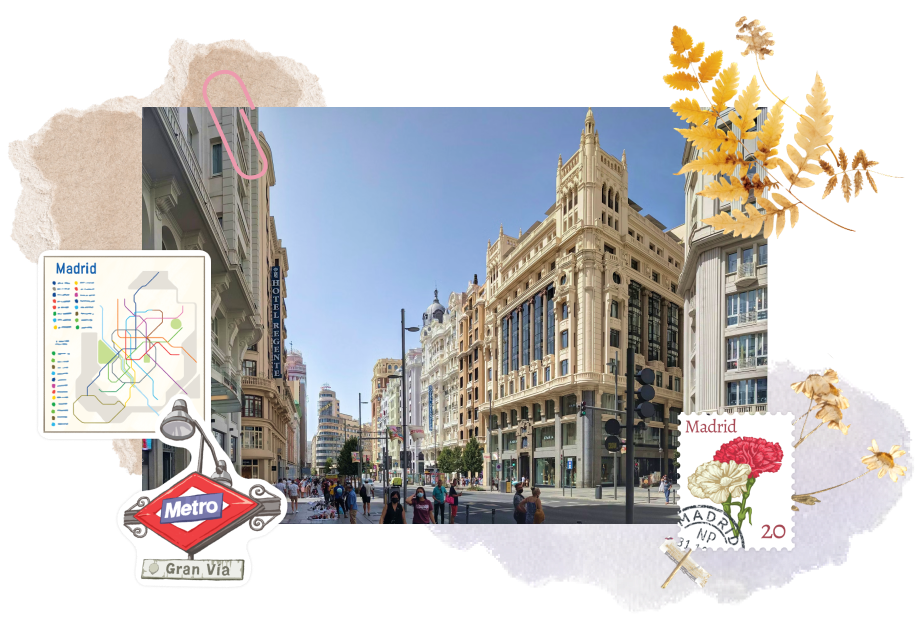
Gran Vía
Madrid’s famous avenue for shops, theaters, and bold early 1900s buildings. It is a fun family walk, especially at dusk.
Fun Fact
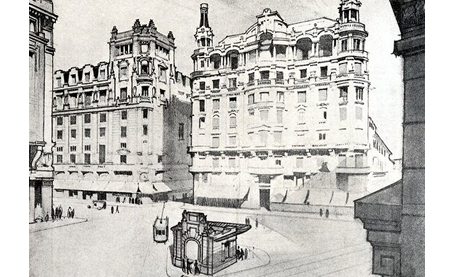
Gran Vía was built between 1910 and 1931, and its construction marked Madrid’s leap into modernity, including the rise of some of Spain’s first skyscrapers.
Photo Tip
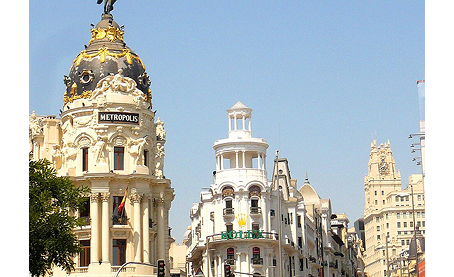
Shoot upward from the curb to catch the building tops. Try golden hour for warm stone tones and softer skies.
Travel Tip
Walk one direction, then take the metro back to save energy. Even one section gives you the “big city” feel.
Family Travel Tip

Plan a quick “treat stop” so kids have a goal. It helps the walk feel like a game, not another long stretch.
Look Closer Tip
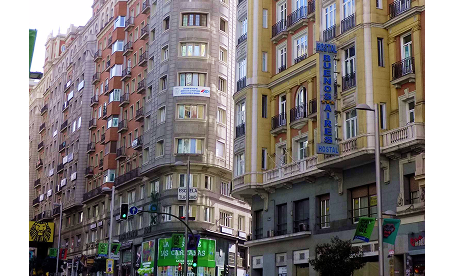
Spot the mix of old and newer signs on buildings. Ask your family which one feels most “Madrid” and why.
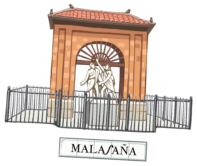
Malasaña
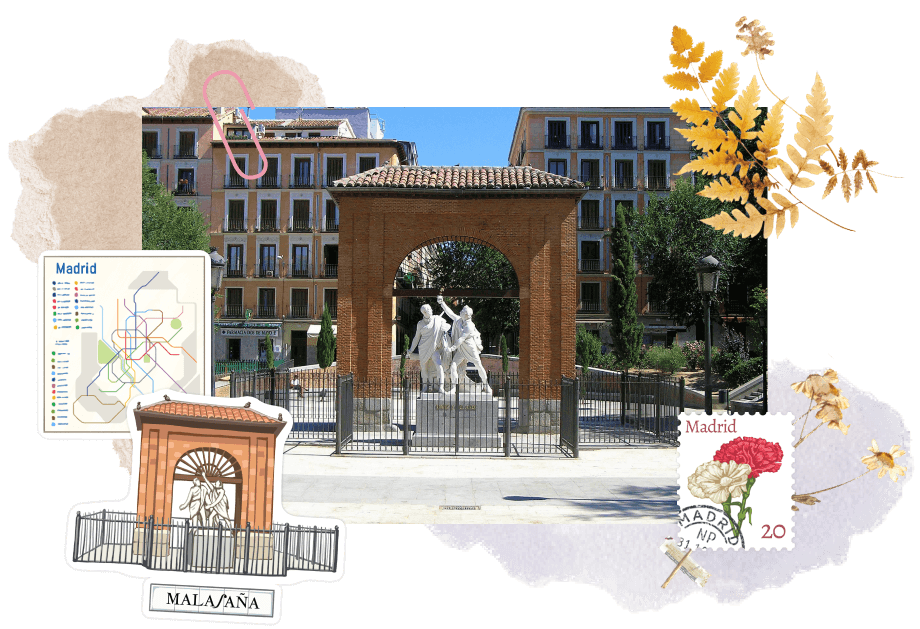
Madrid’s creative quarter, best explored slowly with no particular destination.
Fun Fact
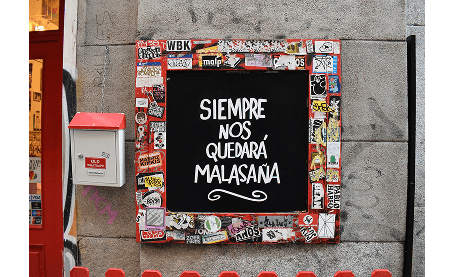
Malasaña takes its name from Manuela Malasaña, a teenage girl linked to the 1808 Dos de Mayo uprising.
Photo Tip
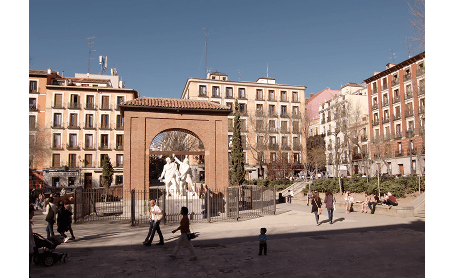
Find your frame around Plaza del Dos de Mayo, shoot wide, and wait one beat for the street to clear.
Travel Tip

Visit late afternoon for shops, then stay for an early dinner. It feels local without needing a late night plan.
Family Travel Tip

Choose one plaza stop so kids can move. Grab pastries to go and do a short “people watching” break on a bench.
Look Closer Tip
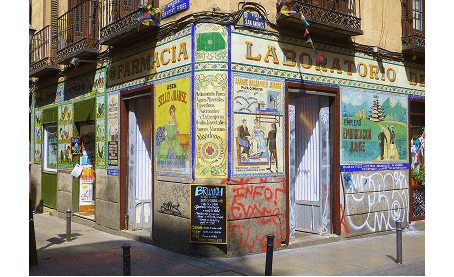
Look for small tile street signs and old balconies. Pick one detail that “belongs” in your travel journal sketch.
Mercado de San Miguel
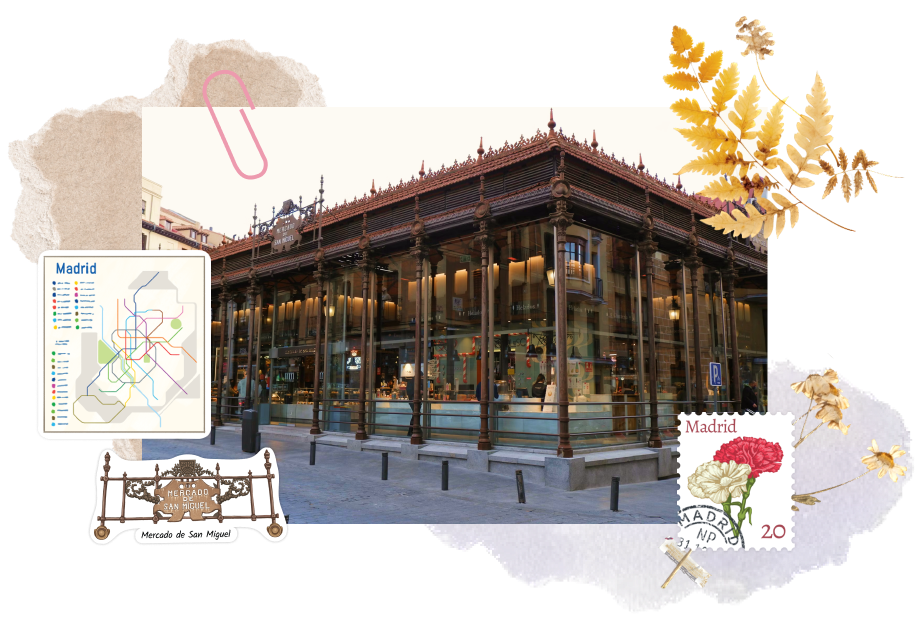
A historic iron market turned gourmet food hall near Plaza Mayor. It is great for tasting small bites without a full sit down meal.
Fun Fact
Mercado de San Miguel opened in 1916 as a local food market, then reinvented itself in 2009 as Madrid’s first gourmet market.
Photo Tip
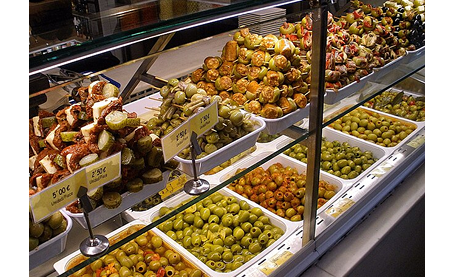
Shoot a simple “tasting lineup” on your table. Use window light and keep the background tight so food colors pop.
Travel Tip
Go right at opening for space to move, or late afternoon for a snack between sights. It gets packed at dinner time.
Family Travel Tip

Split up: one adult orders, one finds a spot. Pick two safe foods first, then let kids choose one “new try” item.
Look Closer Tip
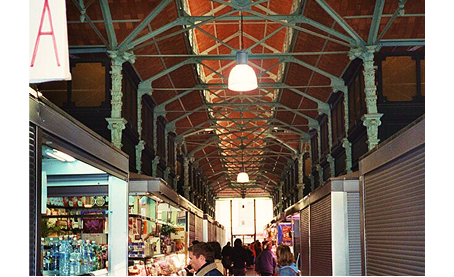
Look up at the iron structure. It is part of why the market feels like an old station, not just a food court.
Museo del Prado
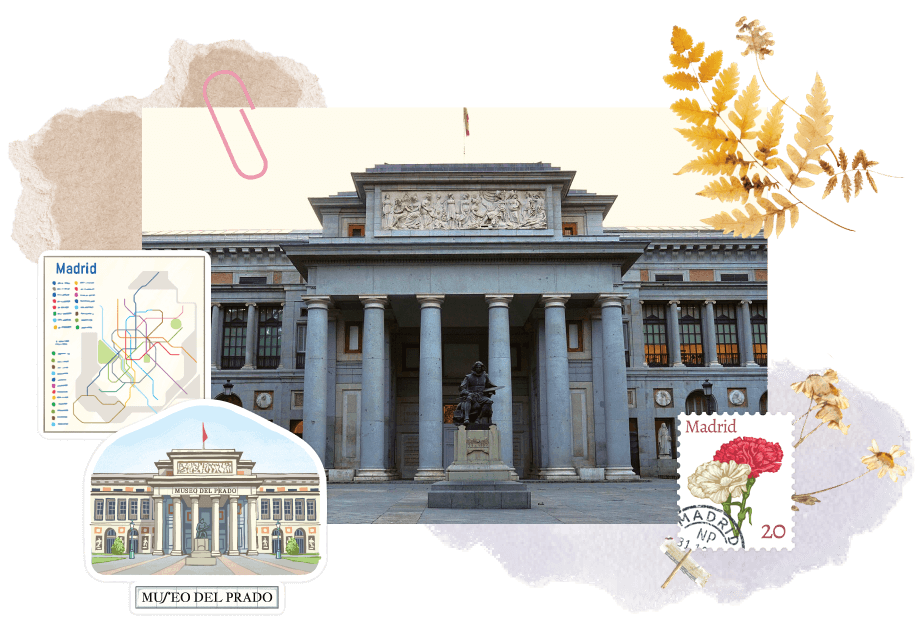
Spain’s top classic art museum, packed with Velázquez, Goya, and more. Pick your must-sees ahead of time and give yourself permission to slow down.
Fun Fact
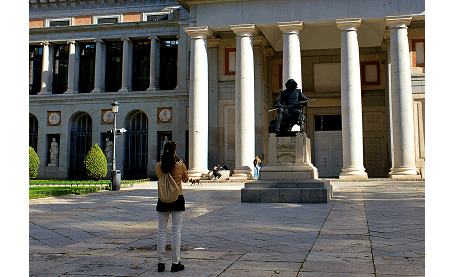
The Prado building was originally designed in 1785 to be a Natural History Cabinet, and only later became the royal museum that opened to the public in 1819.
Photo Tip
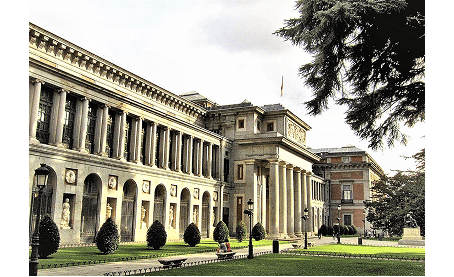
Step back to include the colonnade and lawn. Shoot in soft morning light for clean stone color and fewer harsh shadows.
Travel Tip
Prado hours are Mon–Sat 10 am–8 pm, Sun 10 am–7 pm. Go early on a weekday for lighter crowds.
Family Travel Tip

Plan one short “art hunt” like “find a royal, a dog, and a horse.” Then take a snack break before you add one more room.
Look Closer Tip
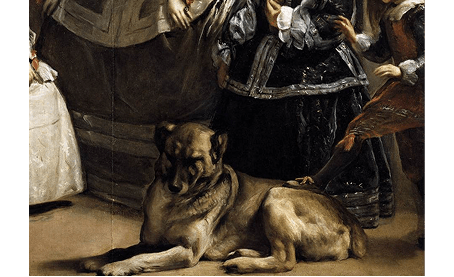
Choose one painting and find the smallest thing in it, like a pet or a shoe buckle. That’s where the story hides.
Museo Reina Sofía
Madrid’s modern art anchor, best known for bold 20th century works. It pairs well with a slow walk from Atocha. (España)
Fun Fact
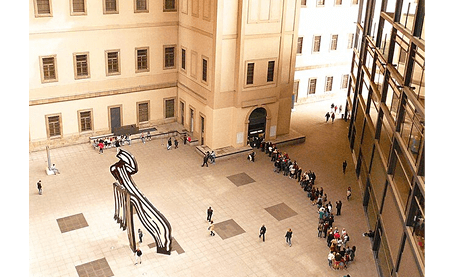
Picasso’s Guernica wasn’t installed at the Reina Sofía until 1992, two years after the museum opened, and it became one of the works that defines the museum’s identity.
Photo Tip
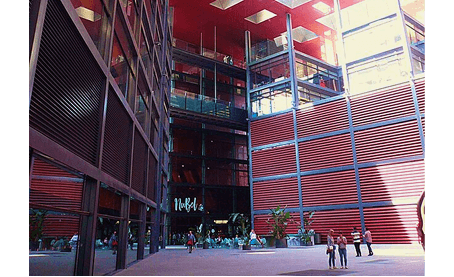
Use the plaza outside for people shots with the building behind you. Keep the museum visit phone light and focus on one gallery.
Travel Tip
Tickets often use a set visit time. Buy online, then enter via the Nouvel Building if you already have tickets.
Family Travel Tip
Pick one “wow” piece for kids, then let them choose the next room. It gives them control and reduces the “too much” feeling.
Look Closer Tip
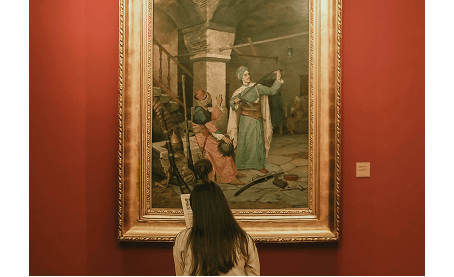
Ask: “What do you think the artist wanted you to feel?” Let each person answer in one sentence for your journal later.
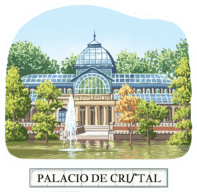
Palacio de Cristal
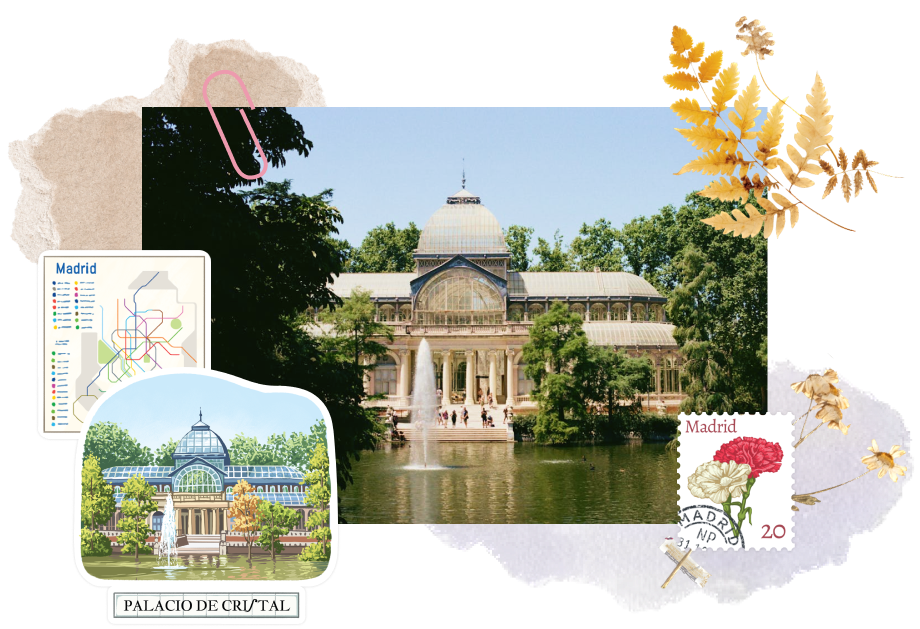
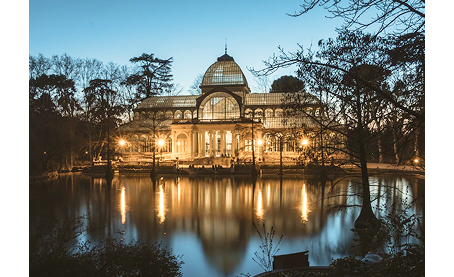
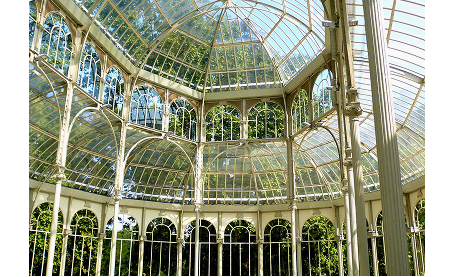
A glass and iron pavilion in Retiro Park that hosts art installations. The setting feels dreamy beside the pond.
Fun Fact
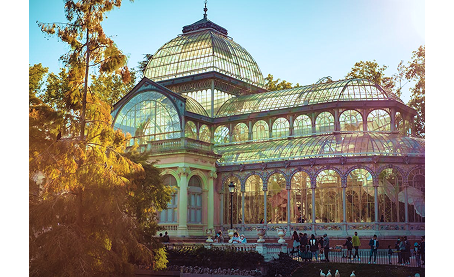
The Palacio de Cristal was built in the late 19th century as an exhibition space in Retiro Park, and today it still serves that same purpose.
Photo Tip
Step back to include the colonnade and lawn. Shoot in soft morning light for clean stone color and fewer harsh shadows.
Travel Tip
Prado hours are Mon–Sat 10 am–8 pm, Sun 10 am–7 pm. Go early on a weekday for lighter crowds.
Family Travel Tip

Plan one short “art hunt” like “find a royal, a dog, and a horse.” Then take a snack break before you add one more room.
Look Closer Tip
Choose one painting and find the smallest thing in it, like a pet or a shoe buckle. That’s where the story hides.
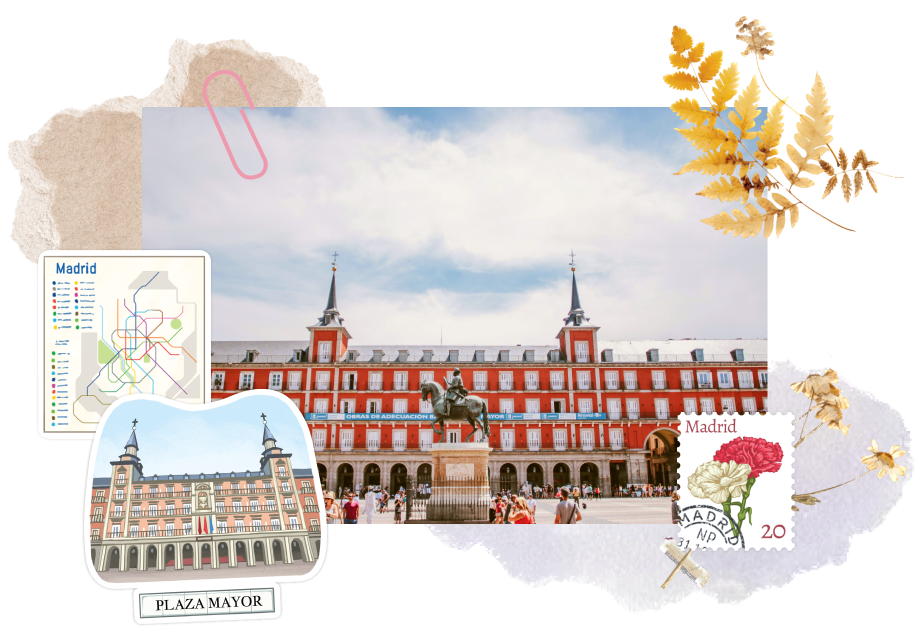
Plaza Mayor
Madrid’s grand central square, ringed by uniform facades and arcades. It rewards those who slow down and stay a while.
Fun Fact
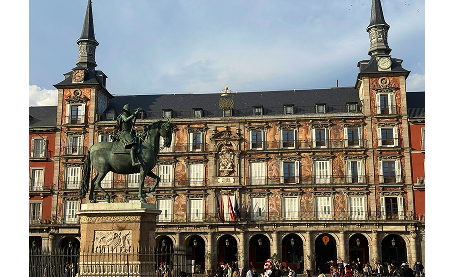
Plaza Mayor has survived several fires, including a devastating one in 1790 that practically destroyed it, so the square you see today is the result of Madrid repeatedly rebuilding one of its most beloved gathering places.
Photo Tip
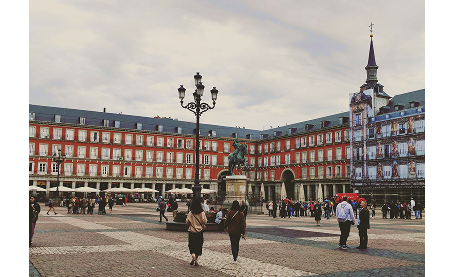
For a clean shot, go early. Stand near an archway and frame the square with the arcade curve to add depth.
Travel Tip
Come in the morning, then return at night when the lights soften the stone. The square changes mood across the day.
Family Travel Tip
Use the arcades for shade or rain. Let kids “count the arches” while you pick a calm corner for hot chocolate.
Look Closer Tip
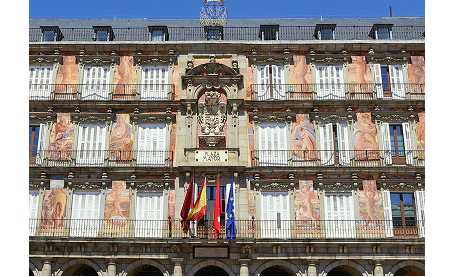
Find the painted facade details on Casa de la Panadería. Pick one figure and invent a short backstory for your journal.
Puerta de Alcalá
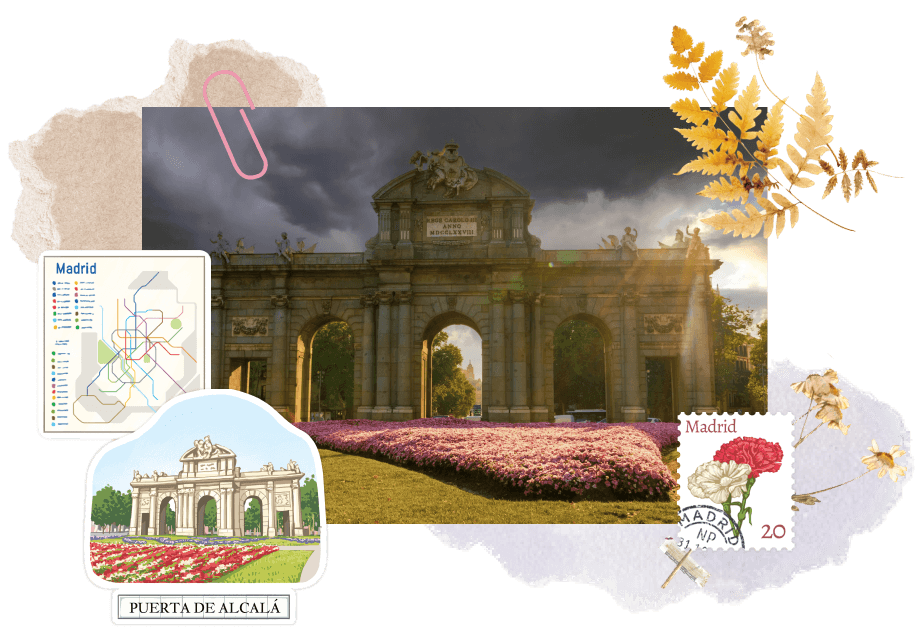
A landmark stone gate by Retiro, built as a monument for King Carlos III. It is one of Madrid’s most iconic photo stops.
Fun Fact
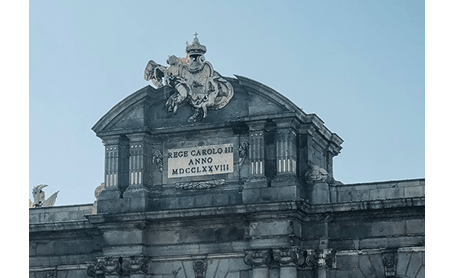
Puerta de Alcalá was built for Carlos III in the 18th century and is often described as one of Madrid’s most iconic monuments.
Photo Tip
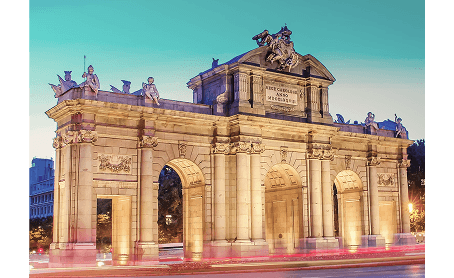
Best shots are from the wide plaza edge so cars sit low in frame. Use burst mode to catch a clear gap in traffic.
Travel Tip
Combine it with a Retiro walk right after. It is an easy “gateway” moment before you head into the park.
Family Travel Tip

Hold hands near the roads and choose one safe crossing. Then do a quick “pose challenge” with each person picking a stance.
Look Closer Tip
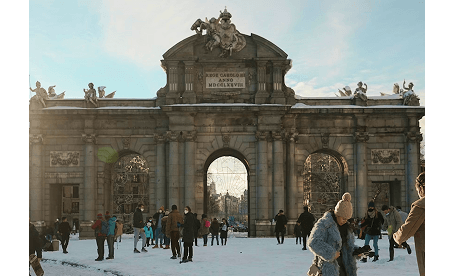
Count the arches and compare shapes. Small details turn a quick stop into something that sticks.
Royal Palace of Madrid
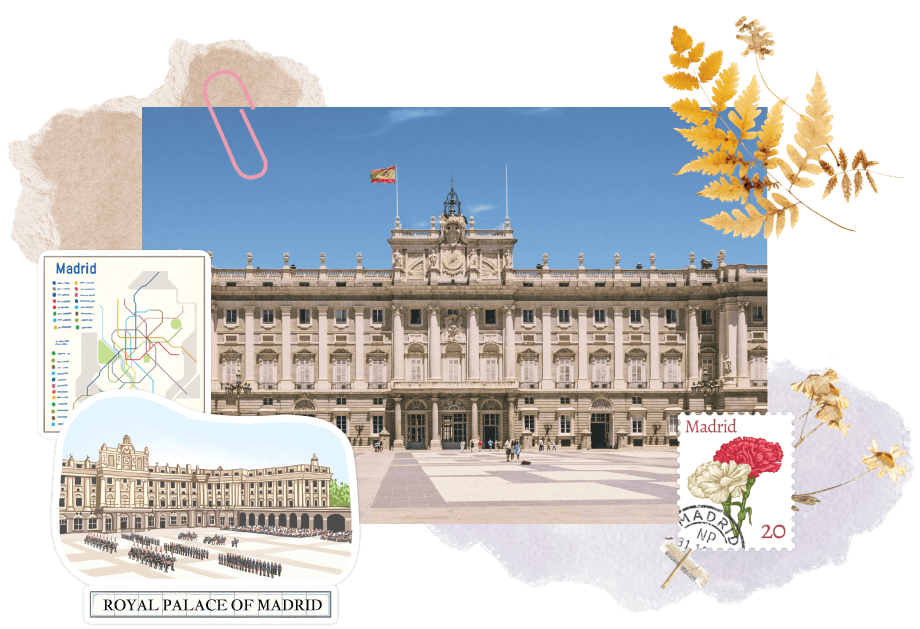
A grand royal residence with formal rooms and palace collections. It feels like stepping into Spain’s royal storybook.
Fun Fact
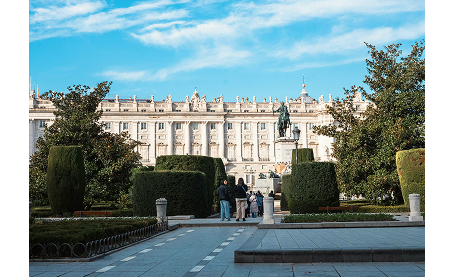
Madrid’s Royal Palace has 3,418 rooms and is described by Patrimonio Nacional as the largest royal palace in Western Europe.
Photo Tip
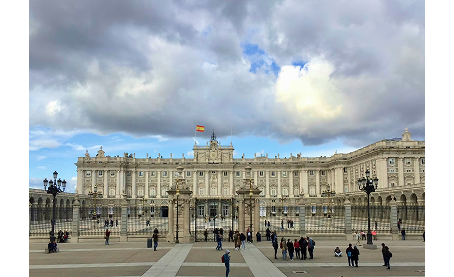
The best outside shot is from the wide plaza for symmetry. Keep people small in the frame to show scale.
Travel Tip
Book ahead when you can, then arrive a little early for security lines. Pair the visit with Almudena Cathedral next door.
Family Travel Tip

Choose a short route: main rooms, then exit. A palace is exciting, but long lines and slow rooms can wear kids out.
Look Closer Tip
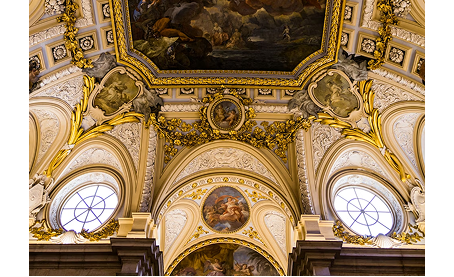
Look for repeated symbols on ceilings and doors. Pick one and track how many times you spot it as you walk.
Templo de Debod
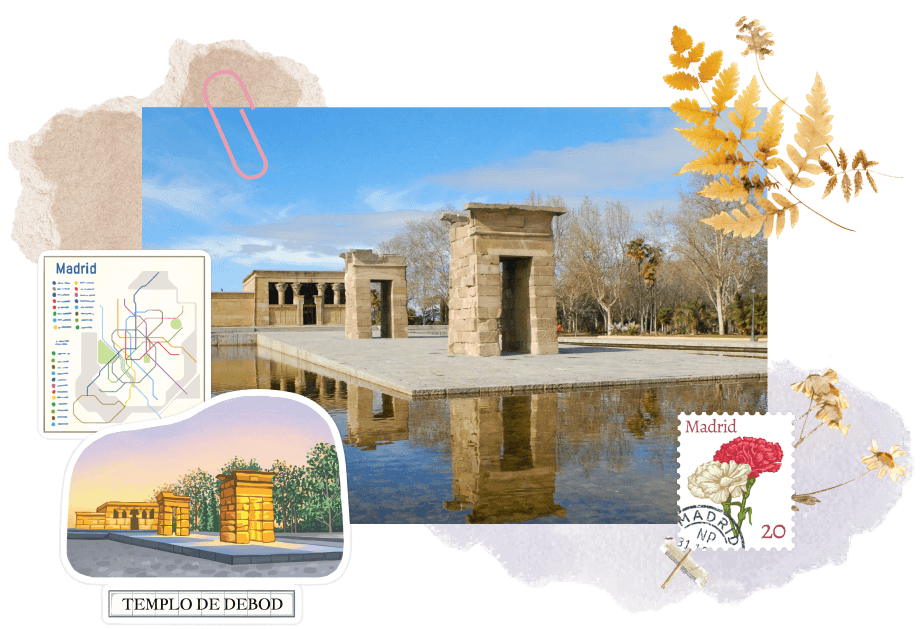
An ancient Egyptian temple gifted to Spain and set in a Madrid park. It is a peaceful stop with one of the city’s best sunsets.
Fun Fact
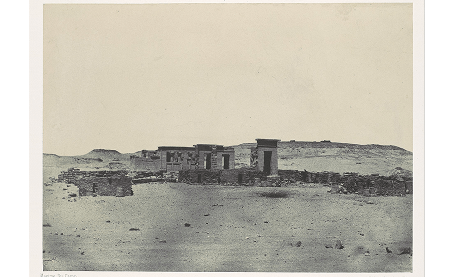
Templo de Debod is an actual 2nd-century BC Egyptian temple that was gifted to Spain after the international effort to save monuments threatened by the Aswan Dam
Photo Tip
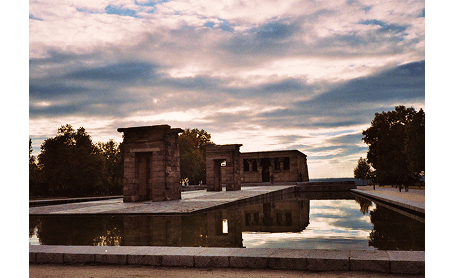
Arrive before sunset and shoot as the sky shifts. Use the water reflection if it is still, and keep the horizon level.
Travel Tip

Go on a clear evening and bring a light layer. It can feel cooler on the hill after the sun drops.
Family Travel Tip

Pick a meeting point before you spread out for photos. Sunset crowds can separate families fast in the park paths.
Look Closer Tip
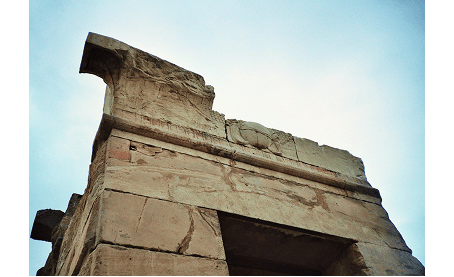
Ask kids to find the oldest looking stone and imagine its journey. It is a simple way to make the history feel real.
Thyssen-Bornemisza National Museum
A bridge museum between classic and modern art. The collection moves across styles fast, so it stays engaging for mixed ages.
Fun Fact
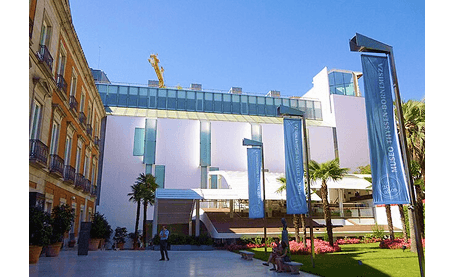
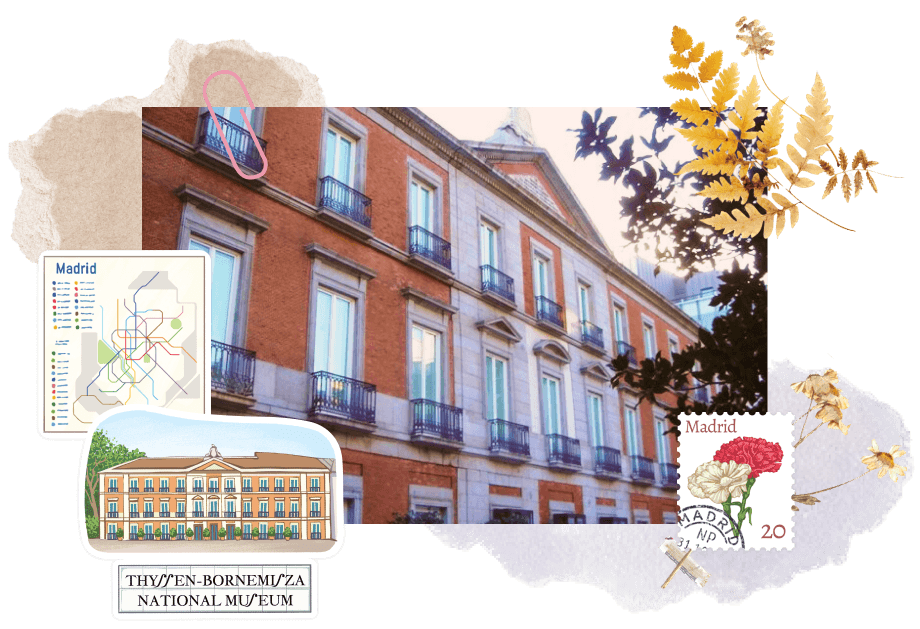
The Thyssen is part of Madrid’s famous Art Walk, together with the Prado and Reina Sofía, which makes it especially fun for travelers who love turning a city into a curated “museum day.”
Photo Tip
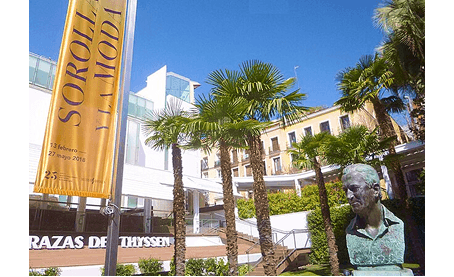
Outside, frame the entrance with the tree lined boulevard. Inside, take notes instead of photos so you keep the pace.
Travel Tip
If you want all three “Art Triangle” museums, look into passes that bundle Thyssen, Prado, and Reina Sofía.
Family Travel Tip
Do a “color hunt” across rooms: find a painting with bright red, deep blue, and gold. It makes the visit playful.
Look Closer Tip
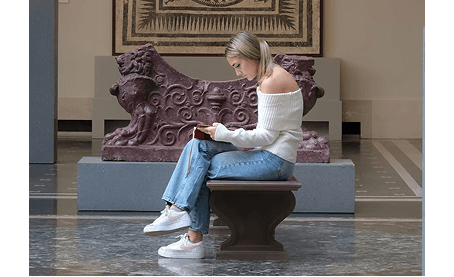
Compare two paintings from different centuries. Spot one thing that changed and one thing that stayed the same.
Foods You Can't Miss
Bocadillo de Calamares
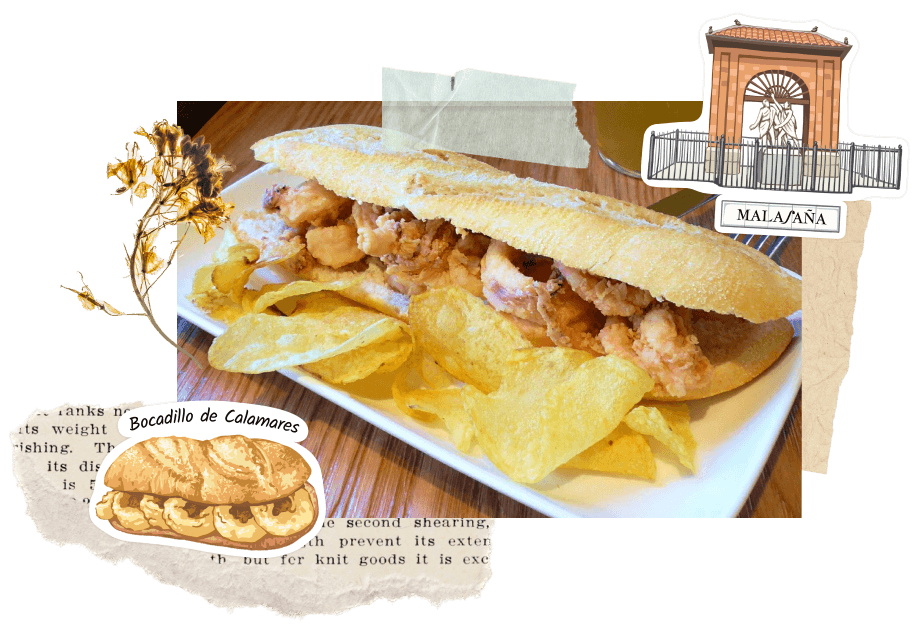
A simple sandwich of fried squid rings in a baguette, often with lemon. It is a quick, filling bite near Plaza Mayor.
Fun Fact
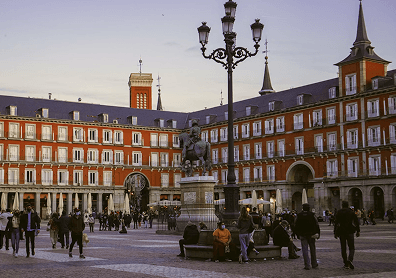
Even though fried squid is eaten in other parts of Spain, the bocadillo de calamares is especially iconic in Madrid, which is funny and memorable because Madrid is nowhere near the sea.
Where to Eat? Tip
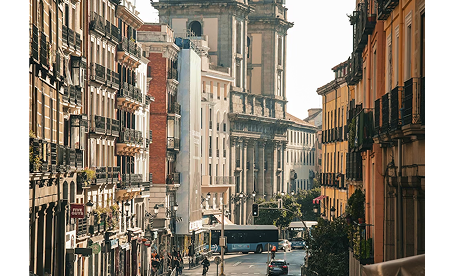
Try Bar La Campana near Plaza Mayor for the classic. Order, step aside to eat, then move on before the line swells again.
Photo Tip
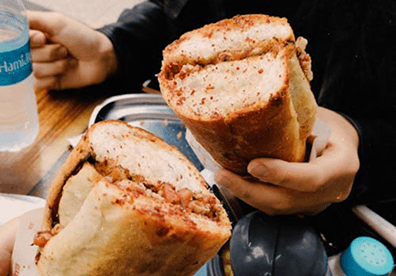
Hold the sandwich near the plaza light and shoot the cross section. Use burst mode to catch one clean frame without elbows behind.
Authenticity Tip

The coating should stay light and crisp, and the squid should bend, not snap. Add lemon if it tastes flat.
Order Like a Local Tip
Say: “Un bocata de calamares, por favor.” If you want lemon: “Con limón.” Many locals pair it with a small beer.
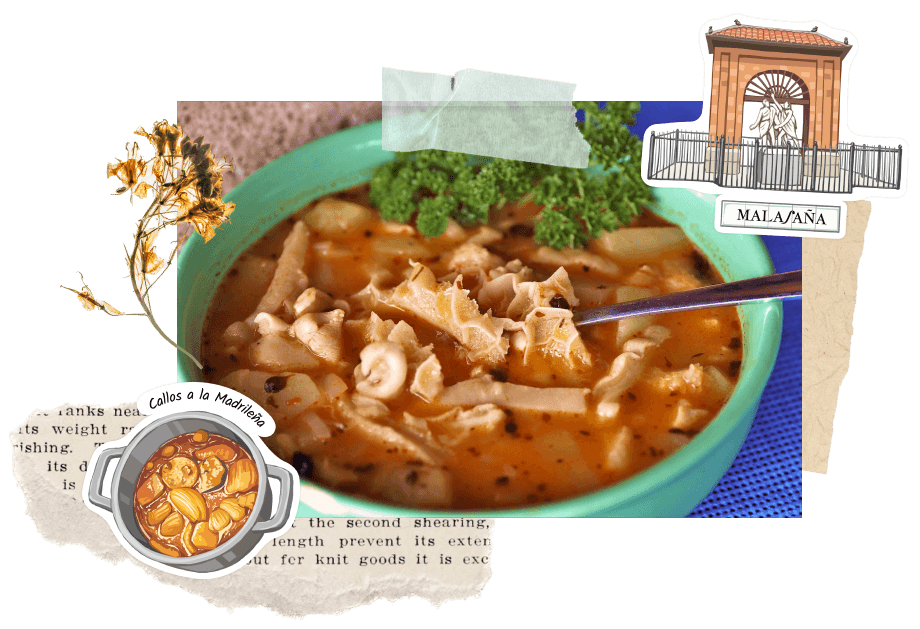
Callos a la Madrileña
A slow cooked tripe stew with chorizo and paprika. It tastes rich and warming, and locals treat it as cold weather comfort food.
Fun Fact
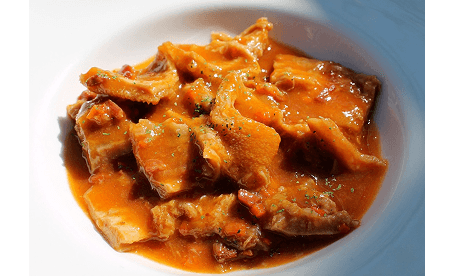
Food historians trace callos in Madrid back centuries, and it became part of the city’s popular tavern tradition rather than elite dining.
Where to Eat? Tip
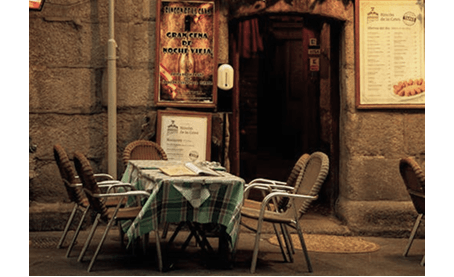
Try Casa Alberto for a classic version in a cozy tavern setting. Go at lunch and sit inside, not on the busiest street tables.
Photo Tip
Shoot the clay dish from above with bread in frame. Use window light, then tap the stew to keep the red broth from blowing out.
Authenticity Tip
The sauce should cling to the spoon, not look watery. You should see soft tripe pieces plus bits of chorizo, not beans.
Order Like a Local Tip
Say: “Unos callos a la madrileña, por favor.” Ask for bread too: “Y pan, si puede ser.”
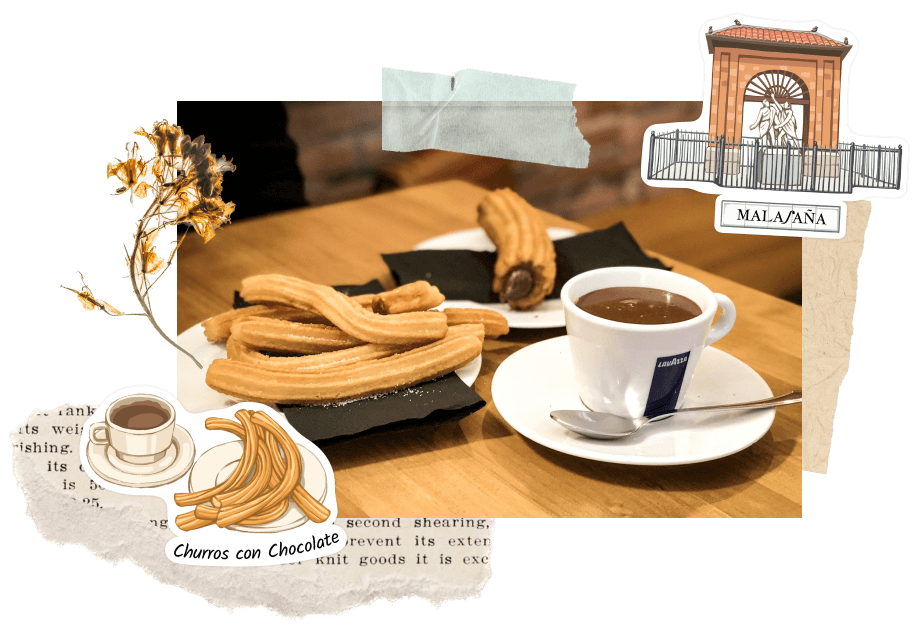
Churros con Chocolate
Crisp fried churros dipped into thick hot chocolate. It is a cozy break after museums or a fun late night treat in the center.
Fun Fact
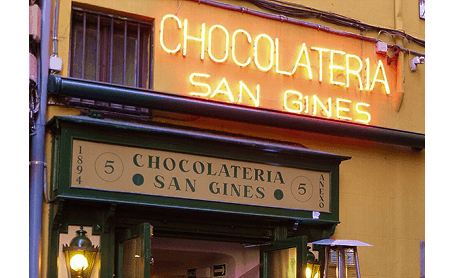
Chocolatería San Ginés opened in 1894 near Puerta del Sol and became one of Madrid’s best known spots for churros and chocolate.
Where to Eat? Tip
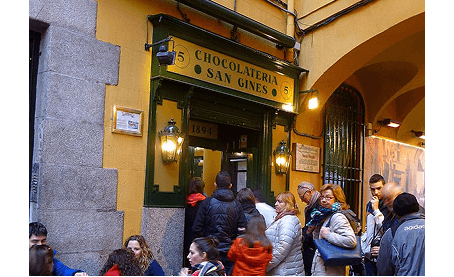
Go to San Ginés for the classic experience, or choose Churrería 1902 nearby for a calmer stop with fewer crowds.
Photo Tip
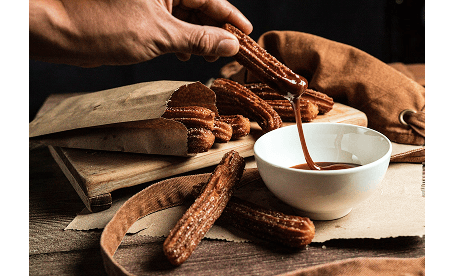
Shoot the dip moment close up, with the cup rim in frame. Use warm indoor light and keep the background simple for clean color.
Authenticity Tip
Great churros feel crisp and light, not soft. The chocolate should pour thick and dark, not look like cocoa water.
Order Like a Local Tip
Ask for “churros” or the thicker “porras.” Order: “Un chocolate con churros, por favor.” Then share plates family style.
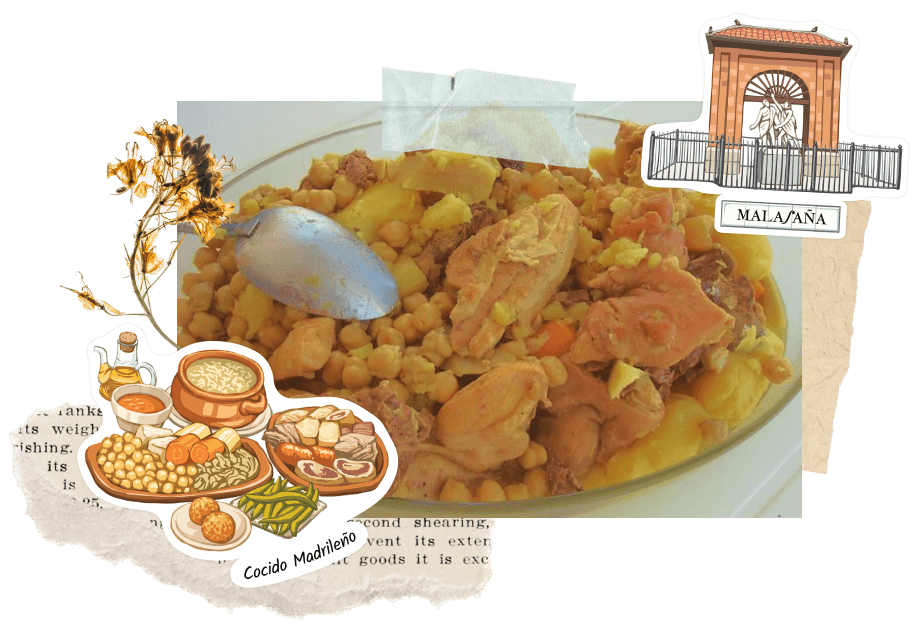
Cocido Madrileño
Madrid’s chickpea stew served as a full meal. Many places serve it in “vuelcos,” so you eat broth first, then chickpeas, then meats.
Fun Fact
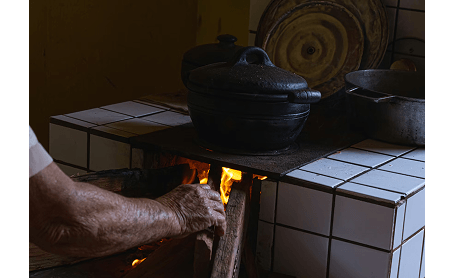
In February 2026, cocido madrileño was officially declared Bien de Interés Cultural (Intangible Cultural Heritage) by the Community of Madrid, which shows how strongly the dish is tied to local identity.
Where to Eat? Tip
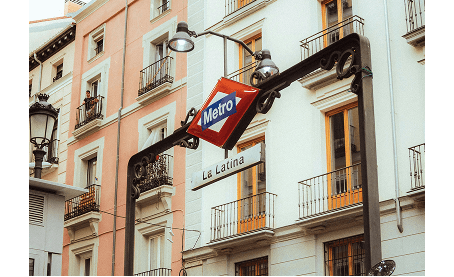
Book Malacatín for a classic cocido lunch in La Latina. Reserve ahead and plan a slow meal, since locals eat later.
Photo Tip
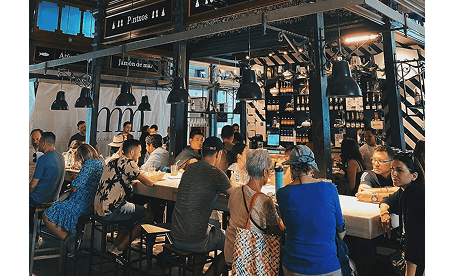
Photograph the three parts as they arrive, side by side on the table. Use a wide shot that includes hands serving for warmth.
Authenticity Tip
Look for clear noodle broth first, then chickpeas and veg, then a separate meats platter. If it arrives as one bowl, it is simplified.
Order Like a Local Tip
Ask: “¿Lo sirven en tres vuelcos?” If kids will share, request extra broth: “Un poco más de sopa, por favor.”
Croquetas
Creamy béchamel bites with a crisp shell, often filled with jamón, cod, or stew. They make an easy shareable snack for families.
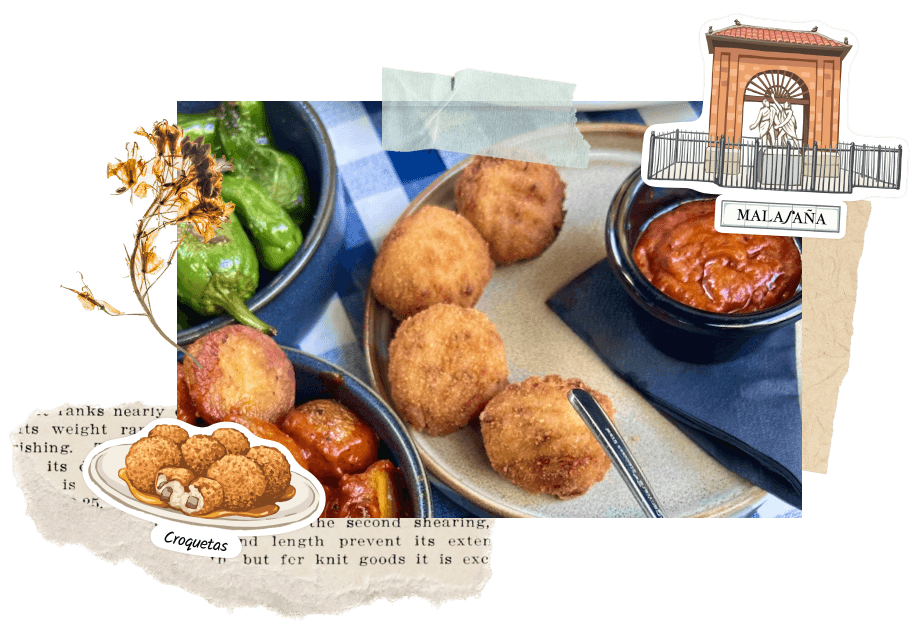
Fun Fact
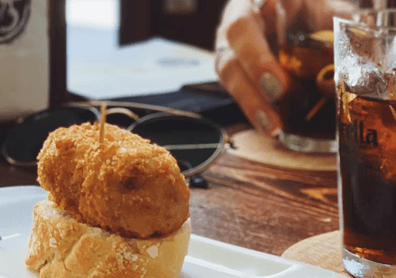
One reason croquetas are so beloved in Spain is that they were historically a clever way to turn leftovers into something special.
Where to Eat? Tip
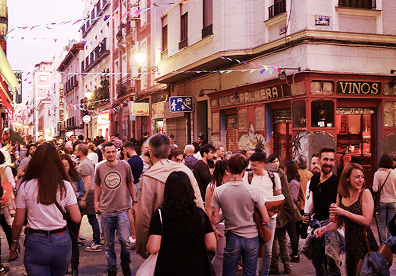
Go to Casa Julio in Malasaña for classic croquetas that locals line up for. Arrive early to avoid the tight peak-hour rush.
Photo Tip
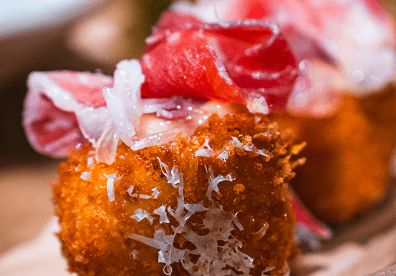
Hold one croqueta broken open near the plate so the creamy center shows. Shoot fast while it is hot, before the steam fades.
Authenticity Tip
The best croquetas crackle outside and stay smooth inside. If they feel heavy with oil, skip the next round.
Order Like a Local Tip
Order by the piece: “Dos de jamón y dos de bacalao, por favor.” If you share, add: “Para compartir.”
Vermouth & Tapas
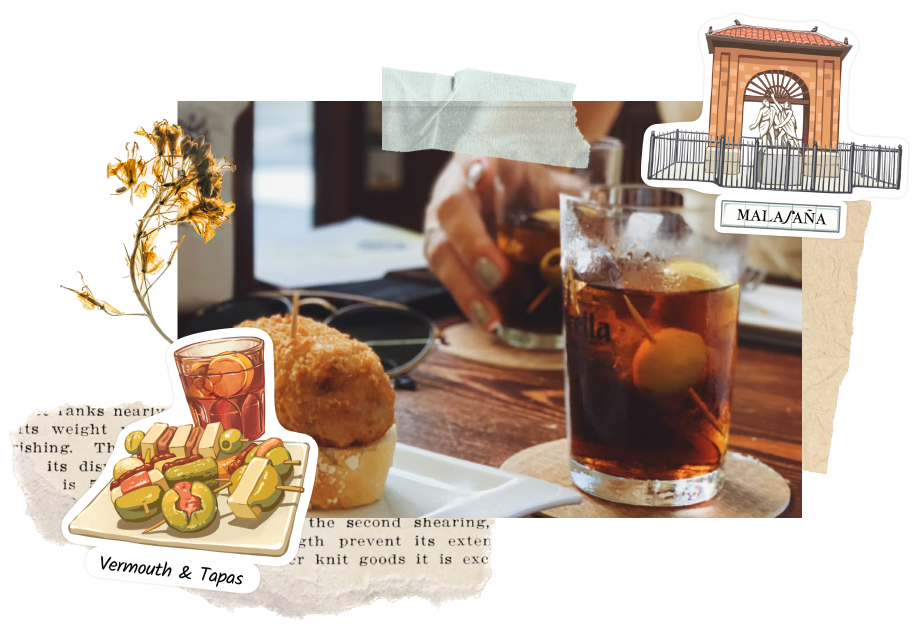
A pre lunch ritual of vermouth with small bites. It sets a slow pace before your main meal and fits well between sightseeing stops.
Fun Fact
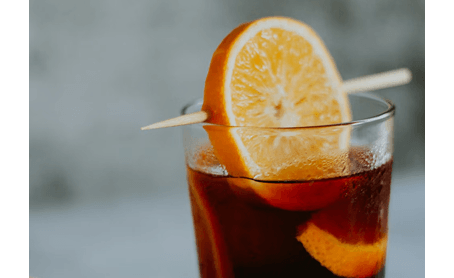
In Madrid, drinking vermouth is not just about the drink — it’s part of a social ritual called la hora del vermut, usually enjoyed before lunch with small bites.
Where to Eat? Tip
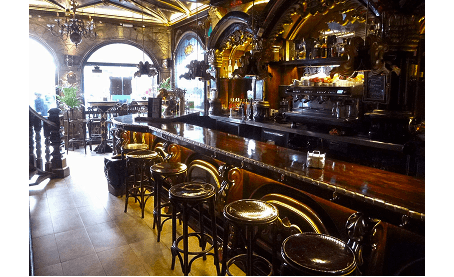
Try a classic taberna like Taberna de Ángel Sierra for vermouth, then walk to a nearby bar for tapas. Go early afternoon for space.
Photo Tip
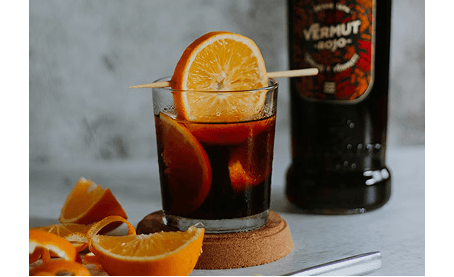
Photograph the glass from the side so you catch the orange slice and ice. Add the tapas plate in the corner to show the ritual.
Authenticity Tip
Look for “vermut de grifo” on the board. A good pour tastes herbal and slightly sweet, not flat or syrupy.
Order Like a Local Tip
Order: “Un vermut de grifo, con hielo y naranja.” If you want it lighter, add: “Con sifón, por favor.”
Culture and Symbols
Abanico (Spanish Hand Fan)
A practical Madrid accessory that also reads as style. Fans show up in fashion and in flamenco, and they photograph well in flat lays.
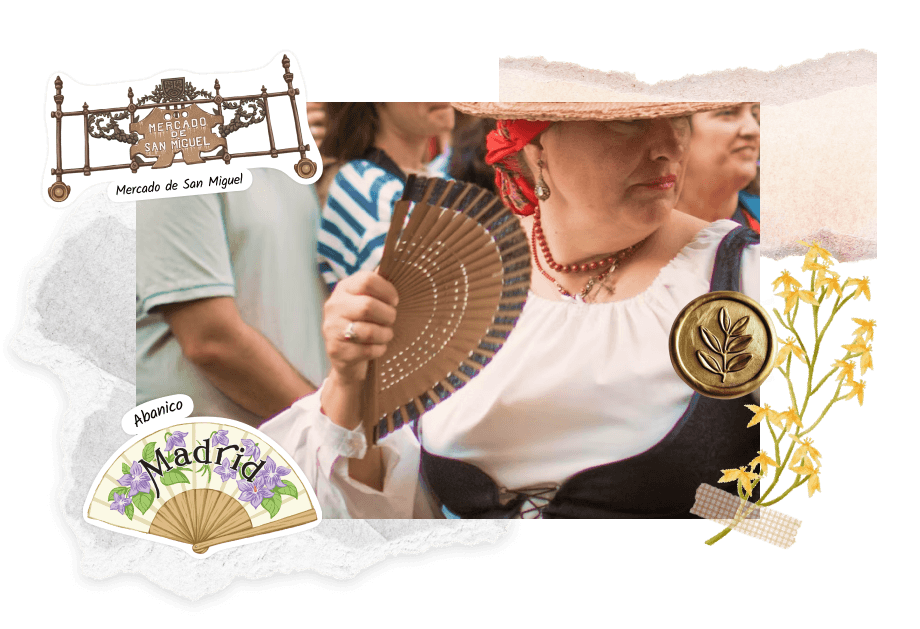
Fun Fact
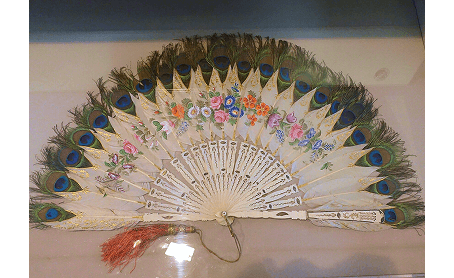
Spain’s Museo del Traje holds fans from the 18th century to today, with many from the 19th century when styles and decoration shifted fast.
Souvenir Tip
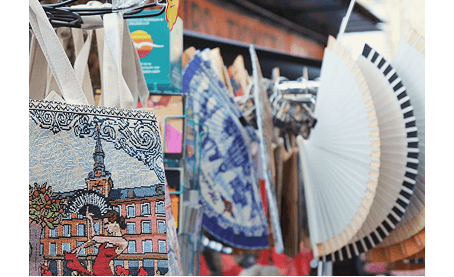
Buy one hand fan you will use, not a fragile novelty. Pick sturdy ribs and a design that matches your home so it stays out on display.
"Where to Find?" Tip
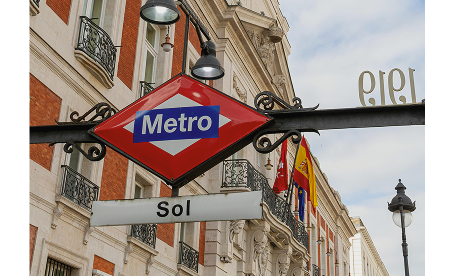
Browse Casa de Diego at Puerta del Sol, a long running shop known for fans and umbrellas. It has been at Sol since 1858.
Carnations
Carnations are the classic San Isidro flower. People pin them to chulapo outfits, wear them in hair, and carry them to the pradera.
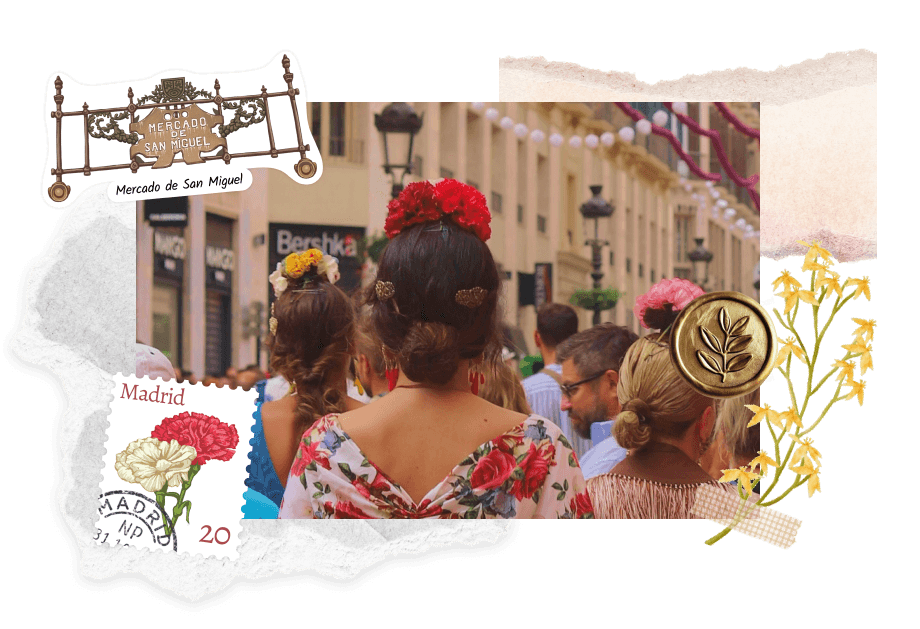
Fun Fact
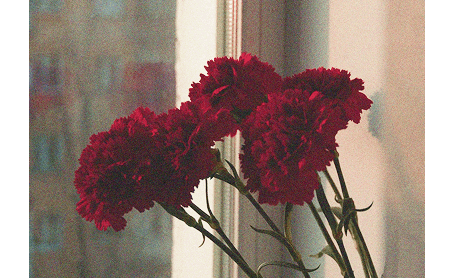
In Madrid, carnations are strongly tied to the San Isidro festivities, where traditional dress, flowers, and street celebrations come together.
Souvenir Tip
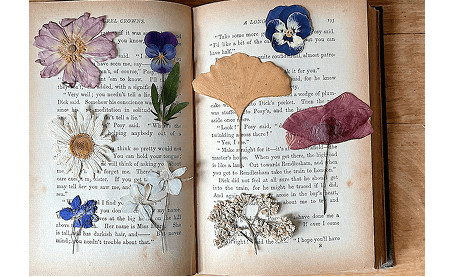
Press a small carnation petal in wax paper for your journal, or buy a carnation hair clip you can wear again at home.
"Where to Find?" Tip
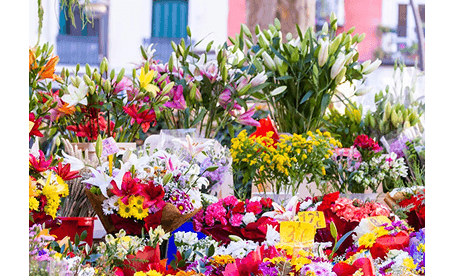
Catch vendors near the Pradera de San Isidro and busy plazas. Go early for the freshest picks.
Chotis
Madrid’s “dance on a tile,” often seen at San Isidro. One partner turns in place while the other circles, which makes it fun to watch.
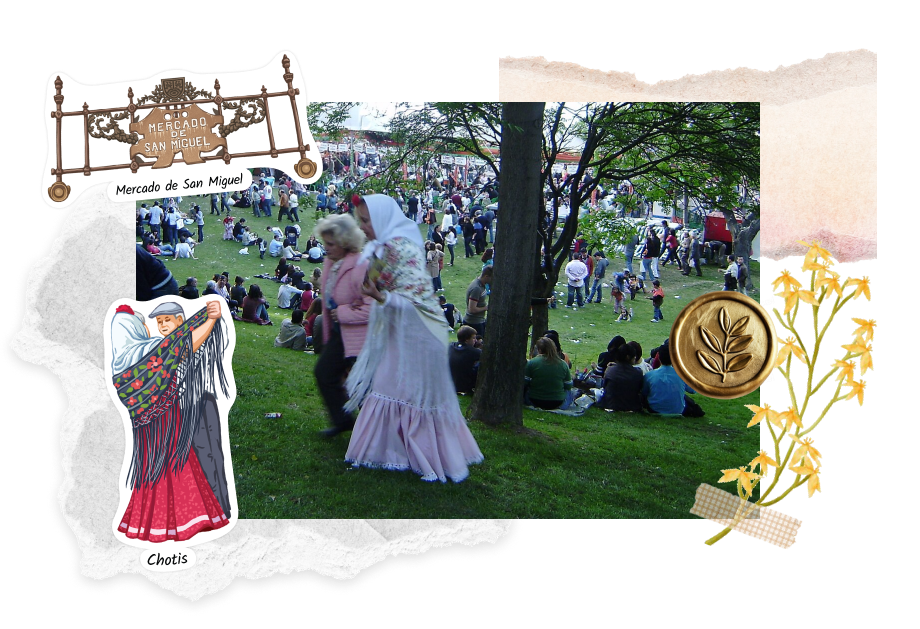
Fun Fact
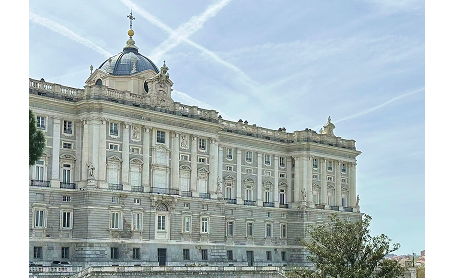
The first chotis danced in Madrid was on November 3, 1850, during a party hosted by Queen Isabel II in the Royal Palace.
Souvenir Tip
Pick a chulapo cap, a polka dot scarf, or a small “San Isidro” keepsake. These fit easily in a carry on.
"Where to Find?" Tip
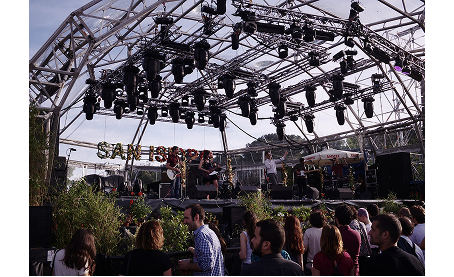
Catch it during the San Isidro festivities, especially around the Pradera de San Isidro where music and dance fill the grounds.
El Oso y el Madroño (Bear and Strawberry Tree)
Madrid’s most recognizable symbol from the city coat of arms. You will see it on signs, souvenirs, and in photos taken in Puerta del Sol.
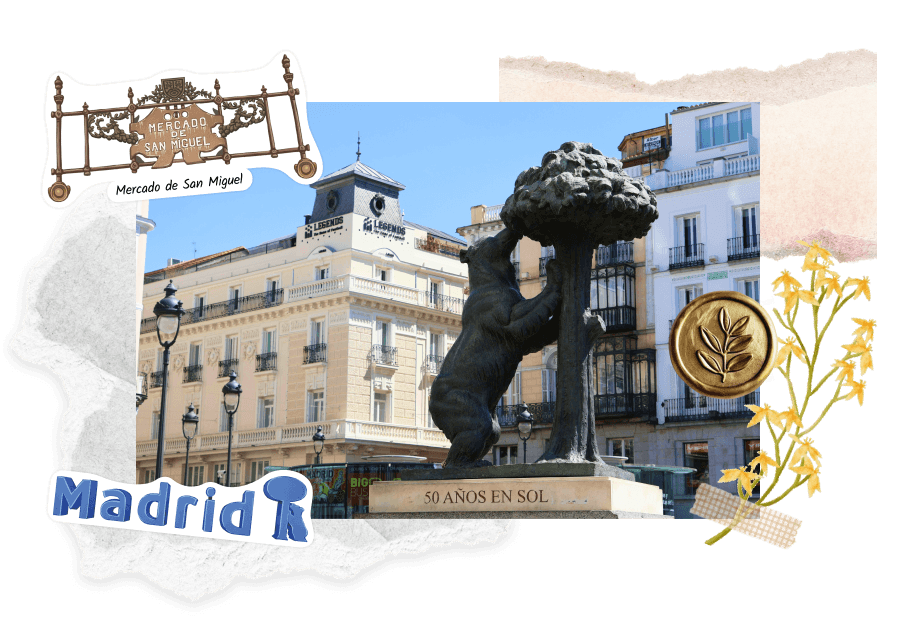
Fun Fact
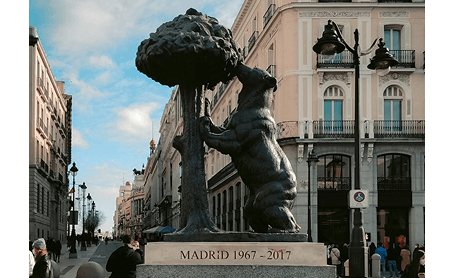
The bear and strawberry tree come from the coat of arms of Madrid, with origins going back to the era of Alfonso VIII.
Souvenir Tip
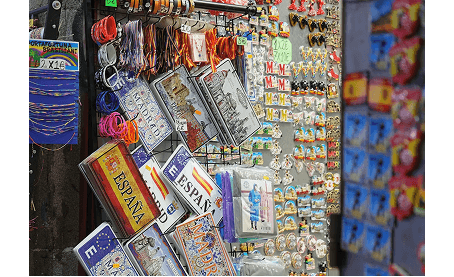
Choose a small enamel pin, keychain, or ceramic tile with the bear and tree. It is classic Madrid without feeling touristy.
"Where to Find?" Tip
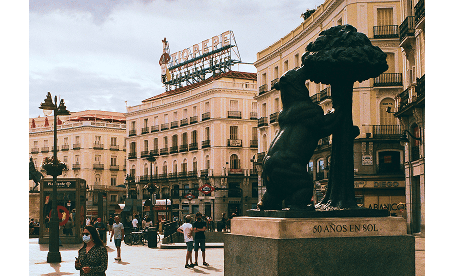
See the statue on the east side of Puerta del Sol, between Calle de Alcalá and Carrera de San Jerónimo. Early morning gives cleaner photos.
Flamenco
A powerful mix of song, guitar, and dance that carries big emotion. Madrid is not the birthplace, but the city hosts top shows.
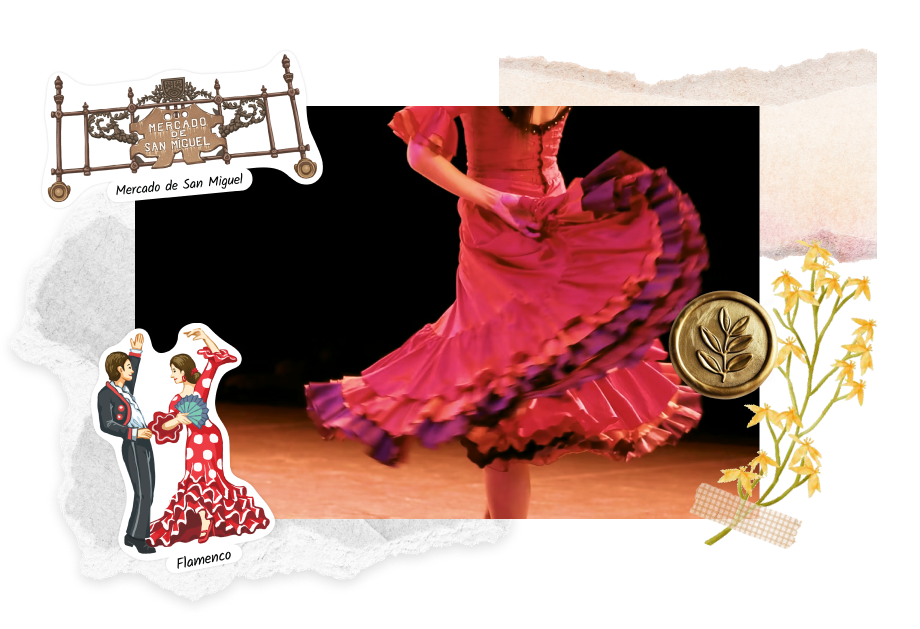
Fun Fact
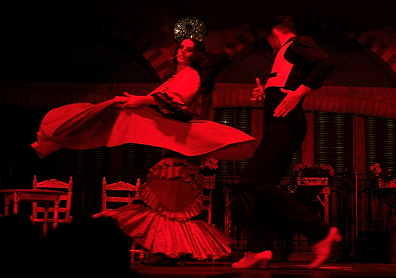
UNESCO added flamenco to its Intangible Cultural Heritage list in 2010, recognizing it as a living tradition.
Souvenir Tip
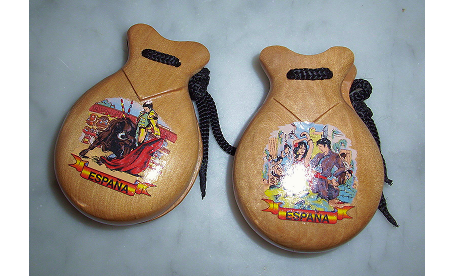
Choose castanets, a simple shawl, or a small music print. Skip plastic props and pick one well made piece you will keep.
"Where to Find?" Tip
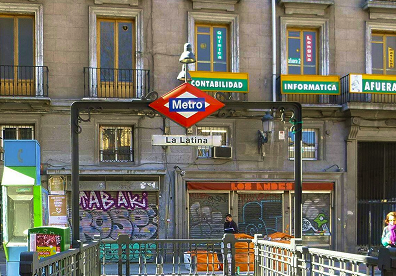
Book a show at Corral de la Morería in La Latina, one of Madrid’s best known tablaos. It’s a short walk from older sights.
Km 0 Plaque (Kilómetro Cero)
A small stone marker in Puerta del Sol that signals Spain’s “start point” for the radial road network. Most people walk right past it.
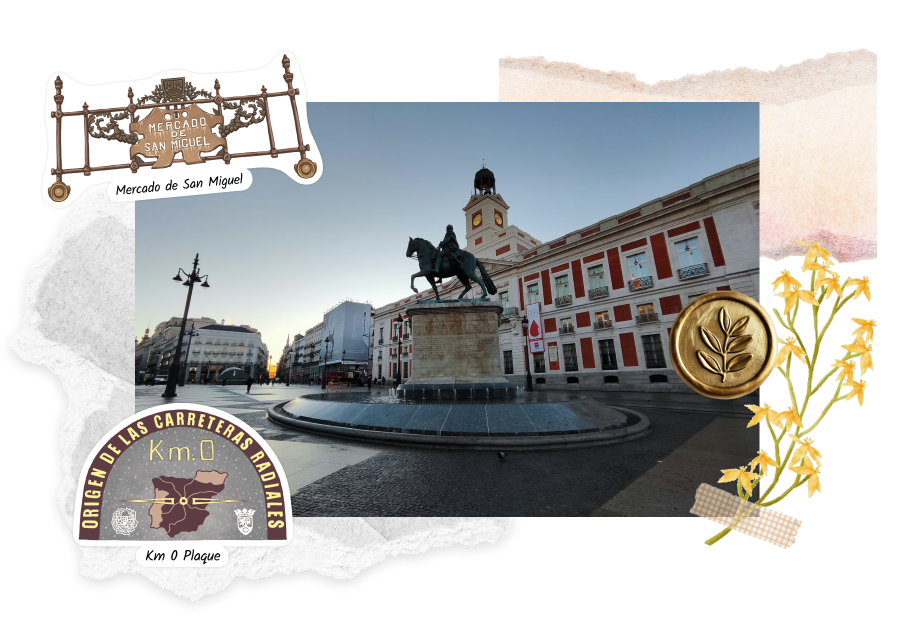
Fun Fact
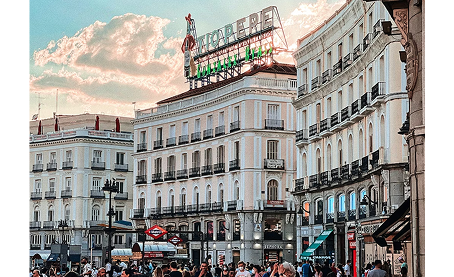
The plaque was reinstalled in 2023 after the remodeling of Puerta del Sol, and it is now highlighted by a large compass rose engraved with the names of Spain’s provincial capitals and autonomous cities
Souvenir Tip
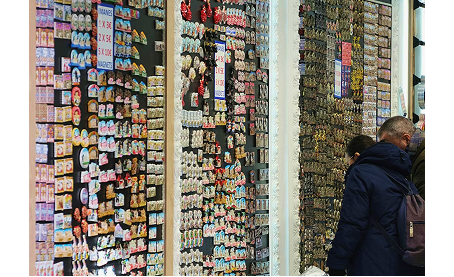
Look for a “Km 0” tile magnet, postcard, or small print. It fits well in a scrapbook and makes a great “trip start” marker.
"Where to Find?" Tip
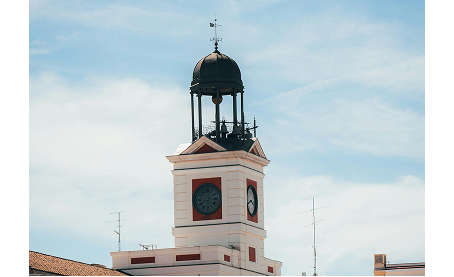
Find it on the ground outside the Real Casa de Correos clock building in Puerta del Sol. Go early morning so you can step in close.
Madrid Metro Map
The metro map is part of daily life in Madrid. It makes a great “trip planning” page for journals, with lines you can trace by hand.
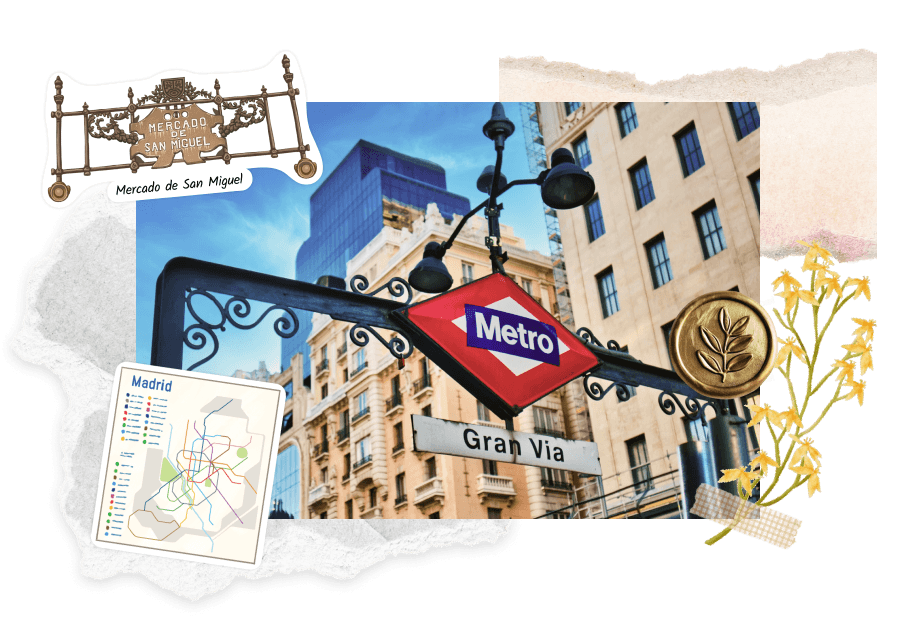
Fun Fact
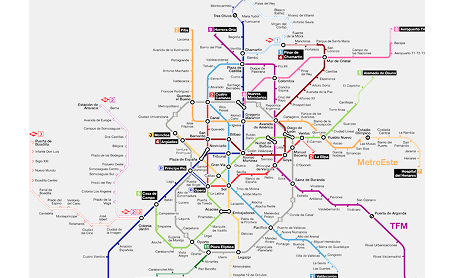
One charming design detail behind the Madrid Metro system is that its iconic logo was inspired by the London Underground roundel, because architect Antonio Palacios wanted Madrid to project the image of a modern, European city.
Souvenir Tip
Print the tourist metro map and mark your family’s stops with a pen. Tape it into your journal with one note per station.
"Where to Find?" Tip
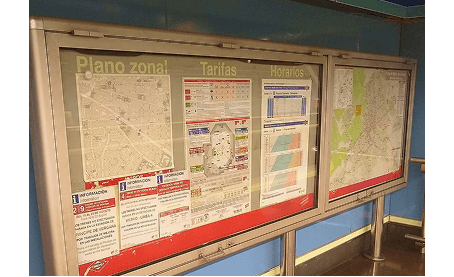
Grab a map in metro stations or download it from Metro de Madrid’s official maps page. Keep a screenshot for quick route checks.
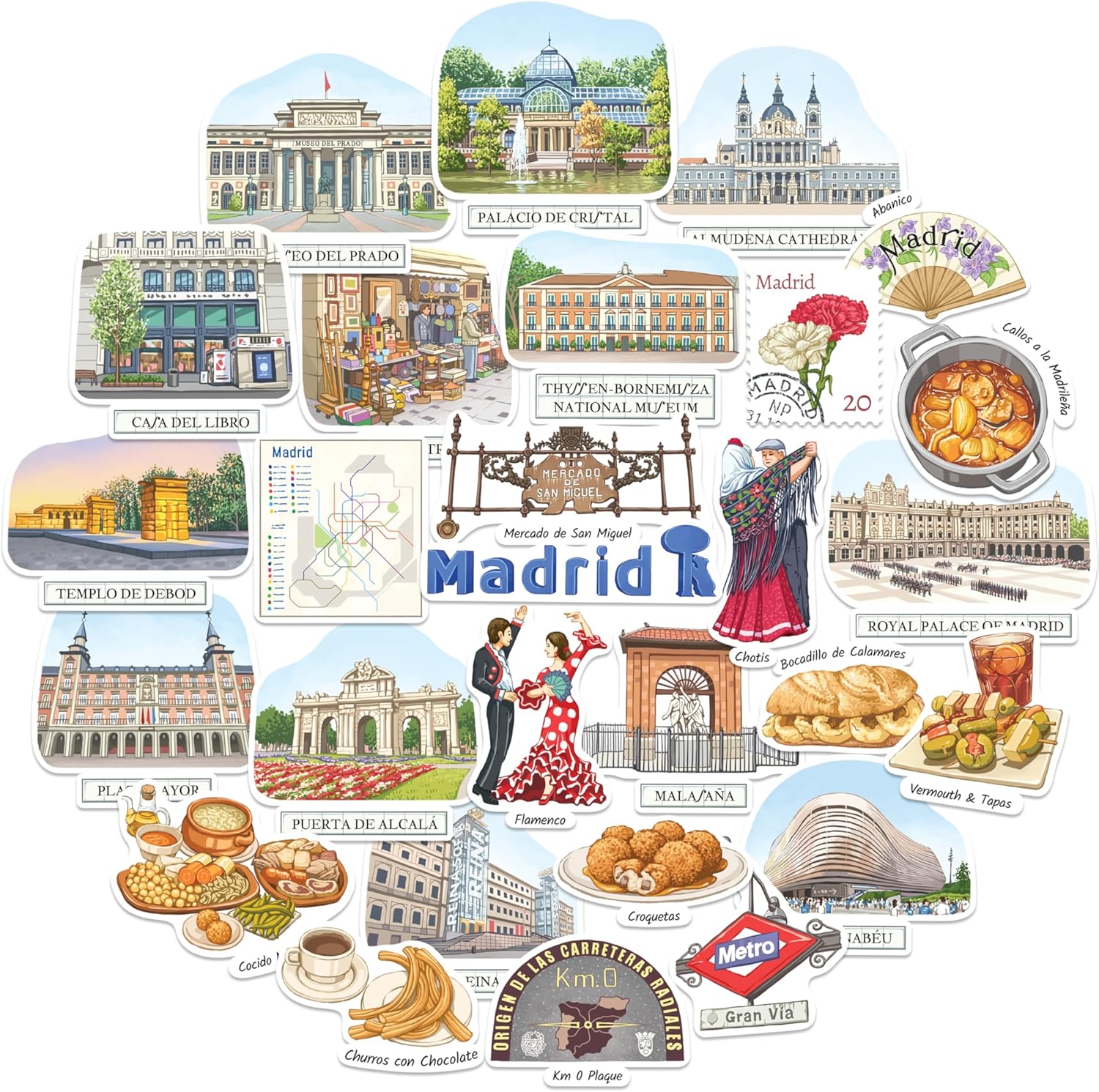

What was your favorite element to draw and why?
I like Palacio de Cristal. I would love to visit it someday because the architecture is very beautiful. The glass must look amazing under the sunlight.

Cici
What is your favorite story from researching about Madrid?
The view we chose for Malasaña is the Plaza del Dos de Mayo, the center of the area. The name of the plaza comes from the Dos de Mayo Uprising in 1808 and it marked the beginning of the Spanish War of Independence. Stories about independence always have a special place in my heart.

Apple





Travel Journaling Prompts