Chile
Landmarks
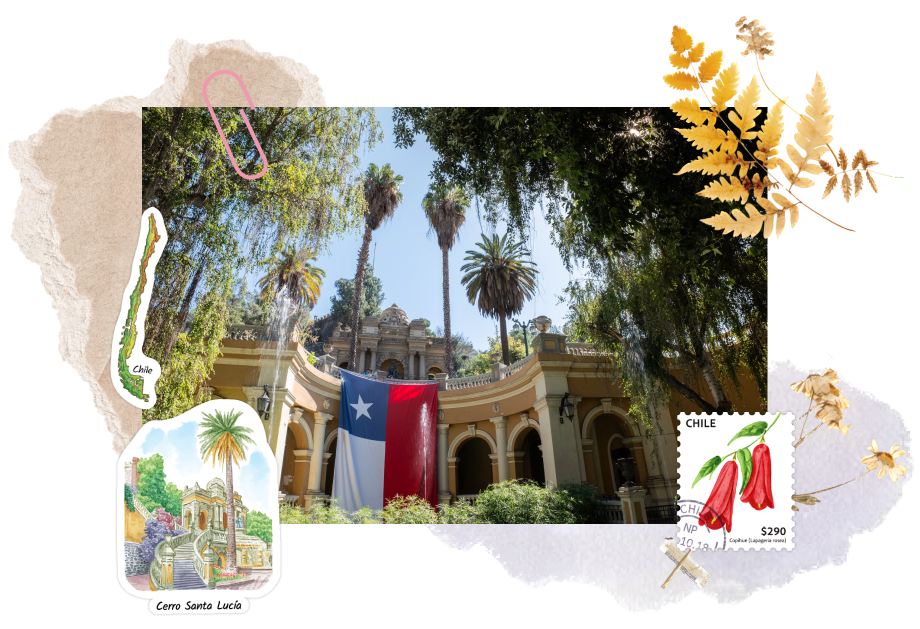
Cerro Santa Lucía
Stone stairways wind through hillside gardens, leading to fountains and quiet viewpoints above central Santiago.
Fun Fact
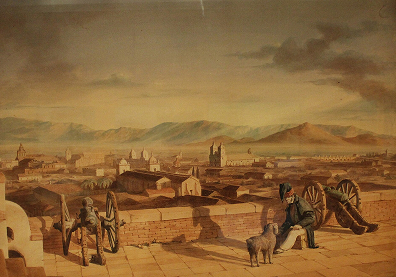
A cannon fires from Cerro Santa Lucía at noon, continuing a 19th-century tradition once used to help locals set their watches.
Photo Tip
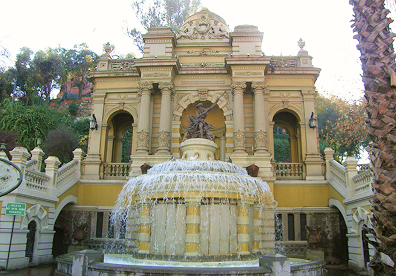
Frame the Neptune Fountain beneath its stairways, then photograph the skyline from above. Morning light helps avoid harsh shadows on the stone.
Travel Tip

Wear shoes with good grip for the stone steps and sloping paths. Heavy rain can lead to temporary closures, so check conditions before you go.
Family Travel Tip

Turn the climb into a series of small goals, such as the fountain, terraces, and final viewpoint. Frequent stops make the stairs easier with kids.
Look Closer Tip
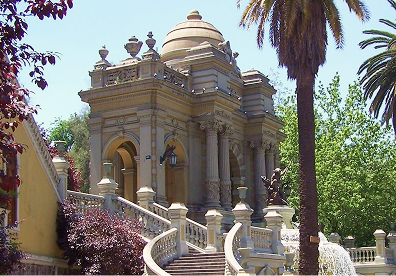
At Neptune Terrace, look past the fountain to the grand stairways and stonework that helped transform the rocky hill into a city garden.
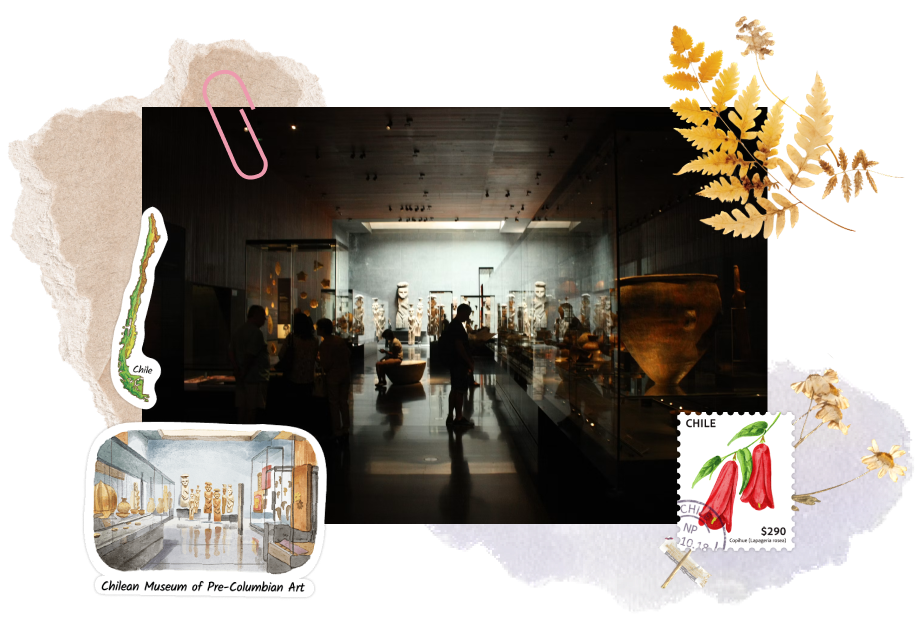
Chilean Museum of Pre-Columbian Art
Located steps from Plaza de Armas, this museum holds Indigenous artwork and artifacts from across the Americas, weaving together ancient crafts, spiritual life, and history.
Fun Fact
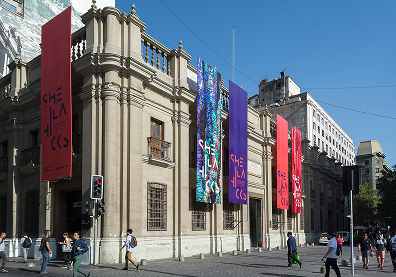
The collection rests inside the Palacio de la Real Aduana, a 19th-century royal customs house that offers a second layer of Santiago’s colonial heritage.
Photo Tip
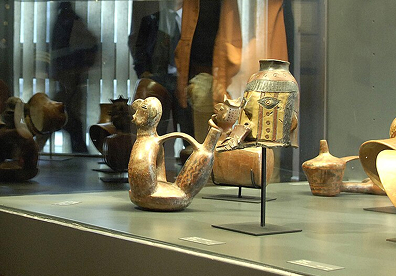
Photography without flash is allowed in the collections. Frame tight shots of individual artifacts to highlight carved textures and keep case reflections out of view.
Travel Tip

Pair your visit with a trip to Plaza de Armas just a block away. The doors are open Tuesday through Sunday, with final admissions entering shortly before closing time.
Family Travel Tip
Ask each child to choose one object they would take into a time capsule. Comparing choices makes the galleries easier to remember later.
Look Closer Tip
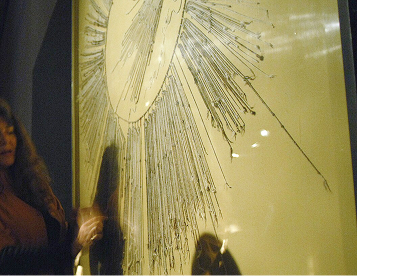
Spend extra time in the textile gallery. The tight geometric weaves and dyed threads carry subtle patterns that signaled sacred beliefs, and social standing.
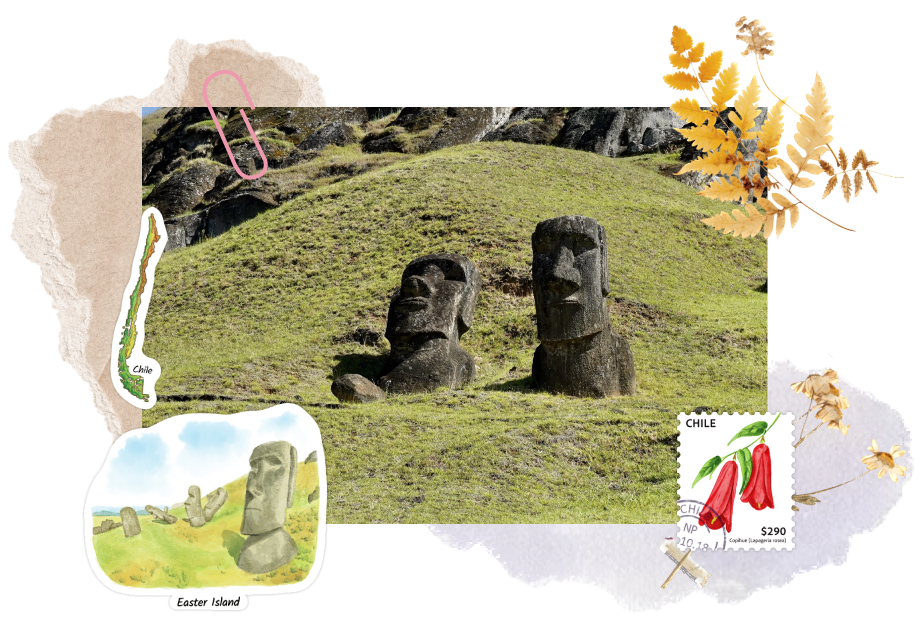
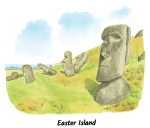
Easter Island, Rapa Nui
Rapa Nui holds volcanic landscapes, ceremonial sites, and hundreds of moai that preserve the stories of a living Polynesian culture.
Fun Fact
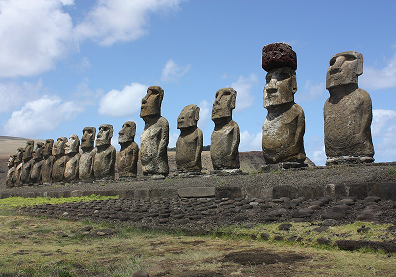
Nearly 400 moai remain around Rano Raraku, the volcanic quarry where island sculptors carved many statues before moving them across Rapa Nui.
Photo Tip
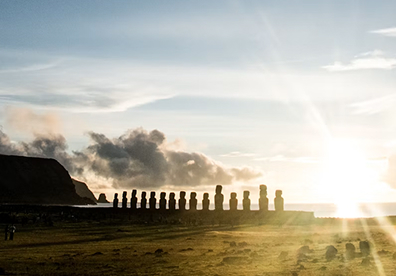
At sunrise, Ahu Tongariki can create striking silhouettes. Keep the full platform in frame and leave space around the moai to show their setting.
Travel Tip
Treat archaeological sites as sacred places. Stay on marked paths, and plan major sites with an accredited local guide where required.
Family Travel Tip
Mix archaeological visits with beach time at Anakena. Shorter site visits help children stay curious without turning the island into a history marathon.
Look Closer Tip
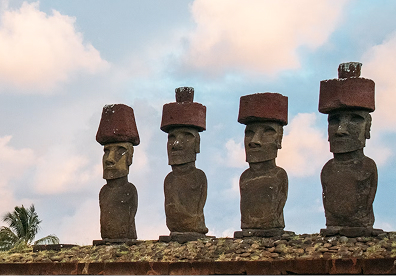
Notice the red stone cylinders, called pukao, on some moai. Their different stone and color reveal another layer of Rapa Nui craftsmanship.
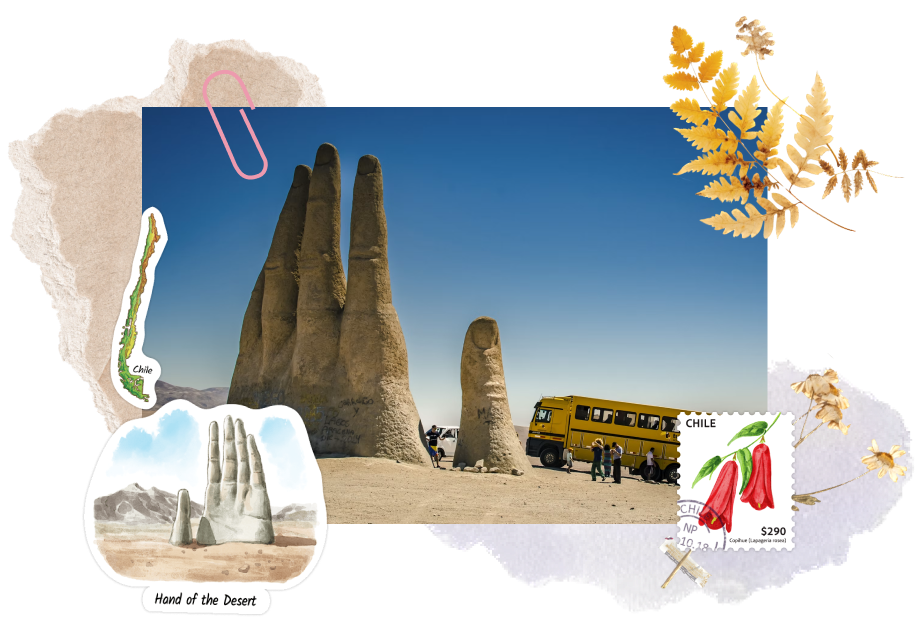
Hand of the Desert
An enormous concrete hand rises alone from the Atacama beside Route 5, turning an empty desert horizon into one of northern Chile’s boldest landmarks.
Fun Fact
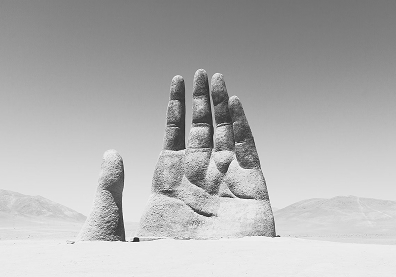
Sculptor Mario Irarrázabal built it in 1992 to represent human loneliness and vulnerability, reaching out of one of the driest places on Earth.
Photo Tip
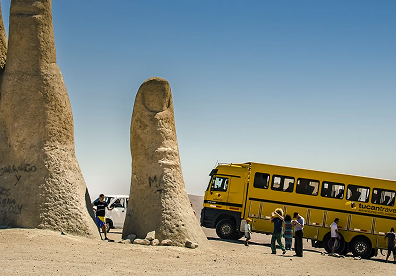
Step well back and put a person near the base to capture its sheer size. Standard wide shots work best here, taking in both the hand and the empty desert sky.
Travel Tip
Treat this as a remote roadside stop, not a serviced attraction. Bring water, fuel up beforehand, and avoid wandering far from your vehicle.
Family Travel Tip
Keep children close because the site sits beside a desert highway with little shade. A short visit is usually enough before returning to the car.
Look Closer Tip
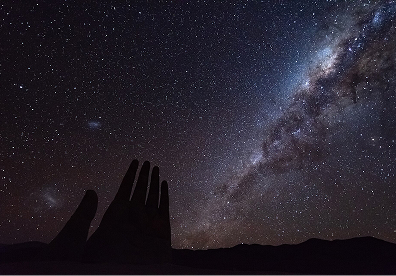
Walk around the sculpture. Depending on the angle, it can seem to reach upward, wave goodbye, or ask for help.
La Moneda, Presidential Palace
This restrained neoclassical palace began as Chile’s royal mint, where official currency is manufactured, before becoming the seat of the Chilean president in 1845.
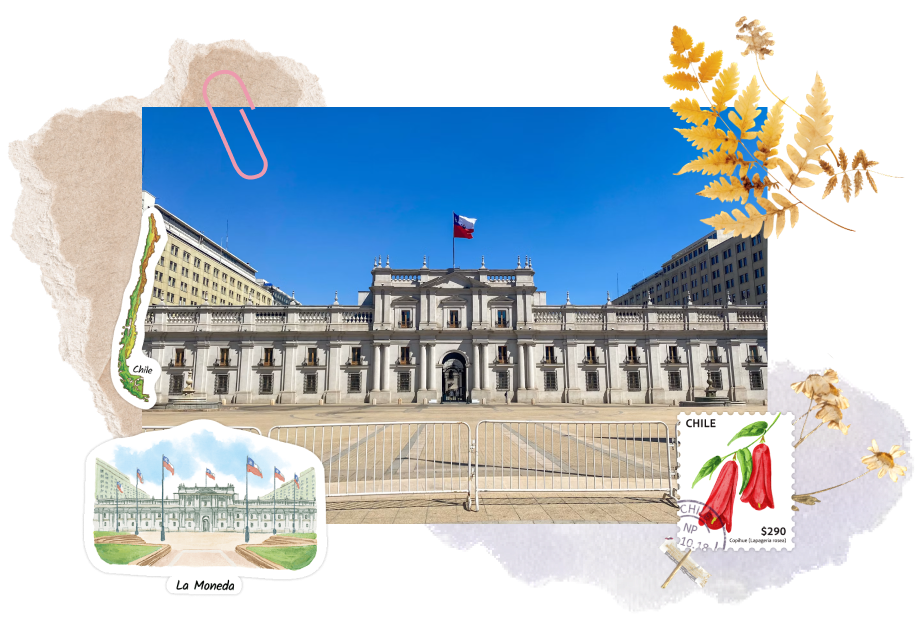
Fun Fact
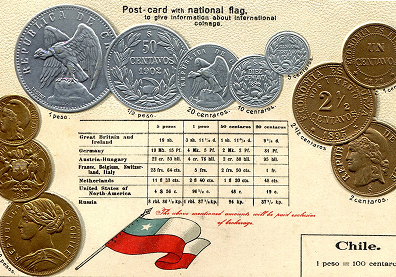
Even after La Moneda became Chile’s presidential palace in 1845, it kept minting coins right there, inside the seat of government, for another 80 years, until 1922.
Photo Tip
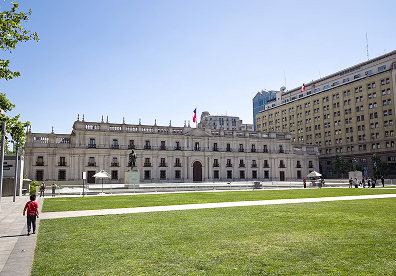
Use the broad civic plazas to step back and keep the palace’s long facade straight. Morning light can give its pale walls gentle definition.
Travel Tip

Book guided heritage tours well ahead through official channels. Arrive with your passport or ID, leave large bags at your hotel, and build in time for security checks.
Family Travel Tip
Book a spot for every family member in advance, including children. Explain the security check before arrival so it doesn’t catch anyone off guard.
Look Closer Tip
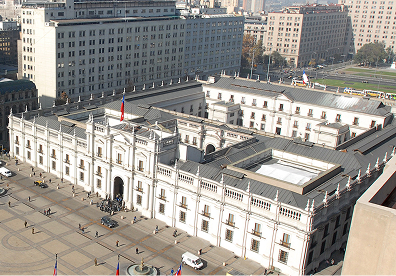
Notice the thick walls, courtyards, and strong lines. The design was built for security, back when this was a mint.
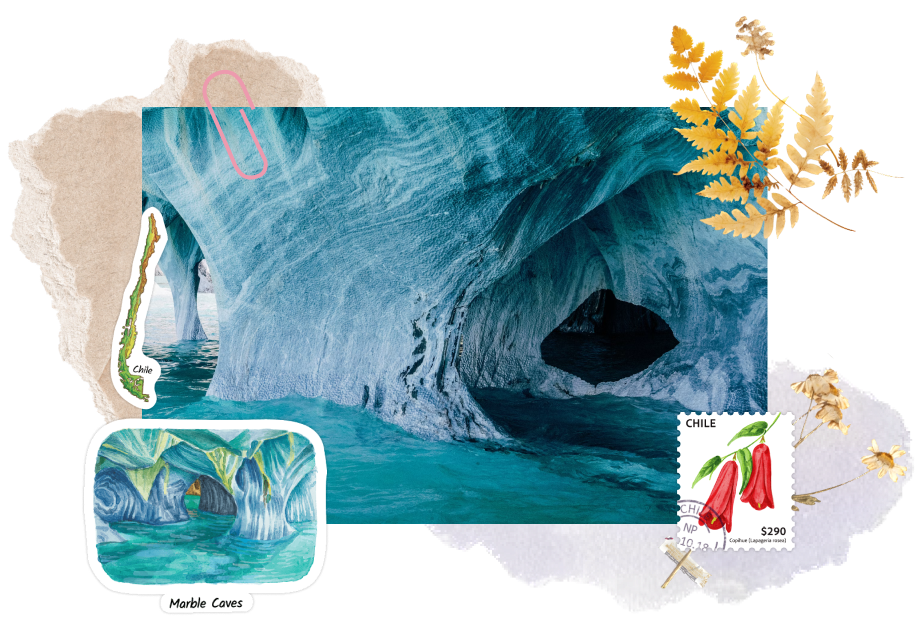
Marble Caves
Turquoise water glows through marble caves shaped by centuries of waves, creating swirling walls and graceful arches along General Carrera Lake.
Fun Fact
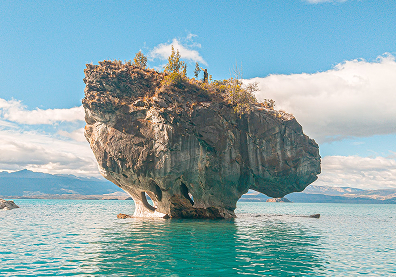
Over thousands of years, water carved the Marble Caves into intricate patterns that shift in appearance as the lake’s light changes throughout the day.
Photo Tip
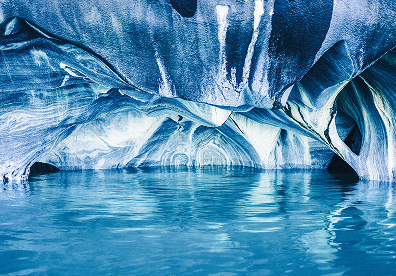
Hold your phone low toward the waterline while staying safely seated in the boat. You get the richest shot when you capture both the smooth marble ceiling and the bright blue water beneath it.
Travel Tip
Start from Puerto Río Tranquilo and reserve a boat or kayak trip ahead. Wind and lake conditions can affect departures, so keep plans flexible.
Family Travel Tip
Choose a stable boat tour with properly fitted life jackets for children. Pack warm, windproof jackets. The air coming off the glacial lake stays cold even on bright summer days.
Look Closer Tip
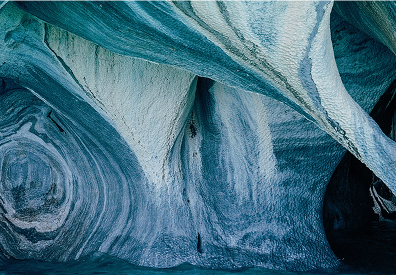
Look closely at the streaks of white, gray, and pale blue running through the rock. As waves ripple underneath, the moving light makes the stone walls look completely different from one moment to the next.
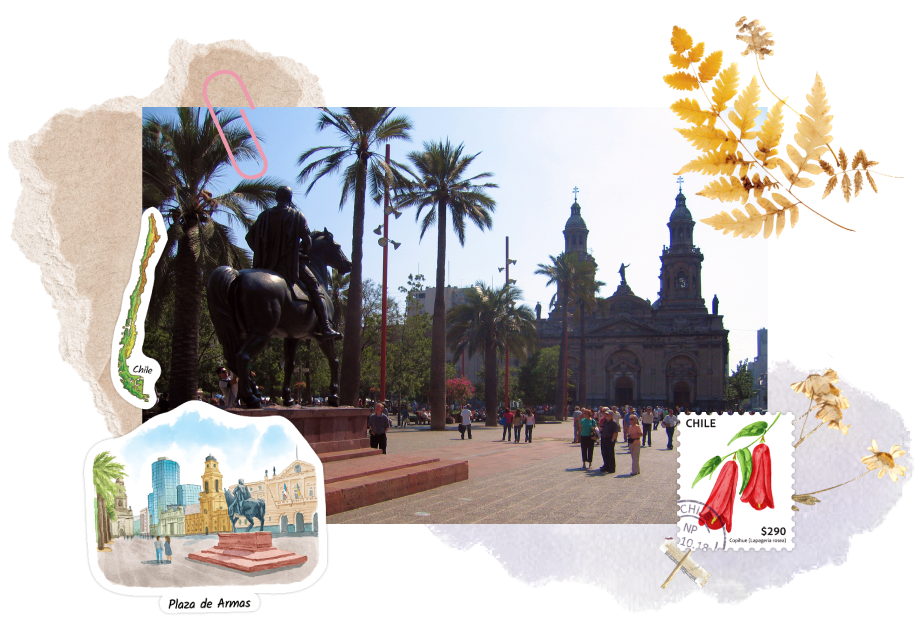
Plaza de Armas
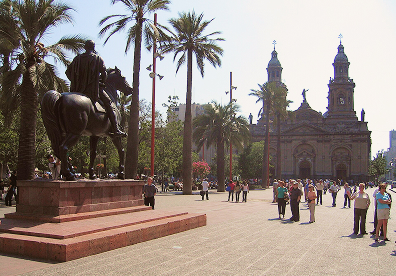
Santiago’s historic central square sits at the city’s original core. The cathedral and civic buildings frame it, and performers and daily life fill it in.
Fun Fact
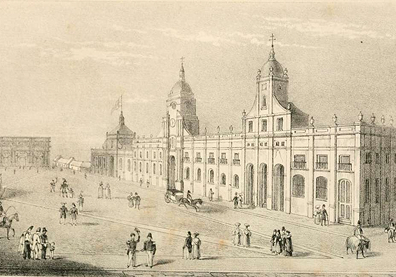
Plaza de Armas wasn’t always its name. It started as Plaza Mayor in 1541, and only became “Arms Square” after a native uprising turned the new settlement into a fortified military camp.
Photo Tip
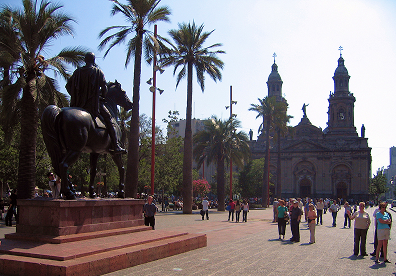
Frame your shots from the edge of the square instead of the center. Using the palm trees and stone walkways as natural borders keeps the cathedral in focus while capturing the energy of the crowd below.
Travel Tip
Stick to daytime visits and explore the surrounding historic district on foot. As in any busy city center, keep phones and valuables secure in crowds.
Family Travel Tip
Use the shade and wide stone benches as a quick breather between museum stops. It gives kids a break without leaving the historic center.
Look Closer Tip
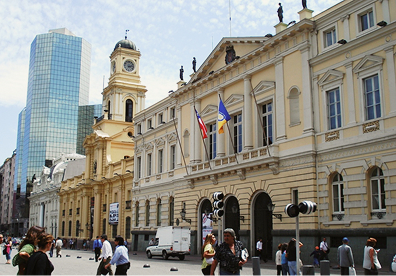
Look around the square’s four edges, where colonial government halls, neoclassical facades, and mid-century high-rises stand side by side.
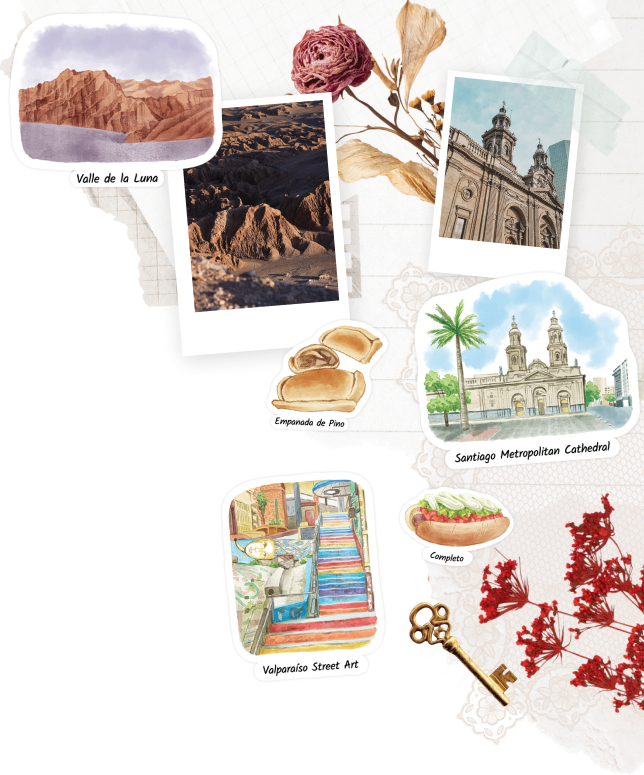
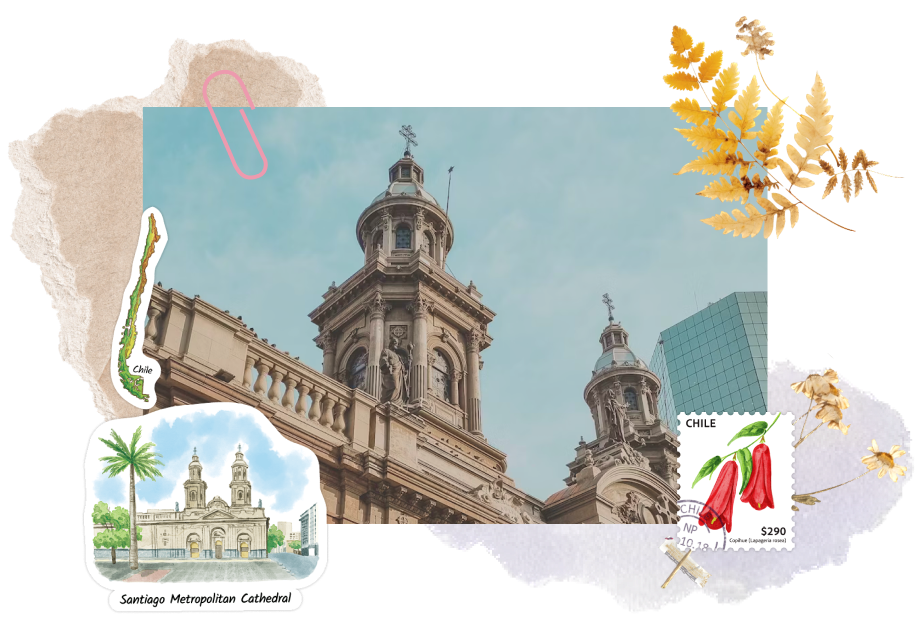
Santiago Metropolitan Cathedral
Santiago’s cathedral overlooks Plaza de Armas. Rebuilt several times since the colonial era, it’s still the city’s center for faith and civic life.
Fun Fact
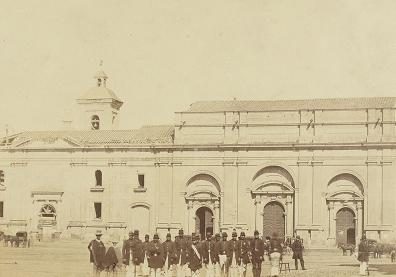
This cathedral has been leveled and rebuilt five times since the 1500s. Fire and earthquakes did the damage; the version standing today dates to 1748.
Photo Tip
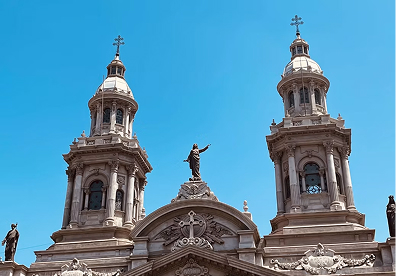
Stand across Plaza de Armas to capture the full facade. Tilting your camera up slightly from a low position lets you capture the bell towers without cutting off their tops.
Travel Tip
Combine your visit with a stroll through Plaza de Armas and the nearby Pre-Columbian Art Museum. Time it around scheduled mass times, and keep your voice down once you’re inside.
Family Travel Tip
Give kids a simple detail hunt, like spotting columns, statues, or ceiling patterns, so they stay curious instead of restless.
Look Closer Tip
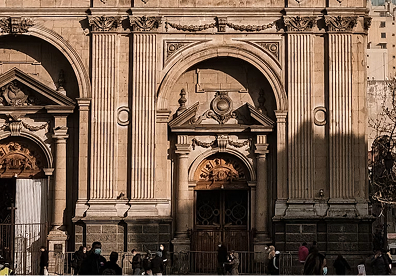
Study the stonework and balanced columns of the facade. Architect Joaquín Toesca designed it in the 1700s but never lived to see it completed.
Santiago Metropolitan Park
Anchored by Cerro San Cristóbal, Santiago’s vast hillside park pairs gardens, lookouts, and historic cable cars high above the city streets.
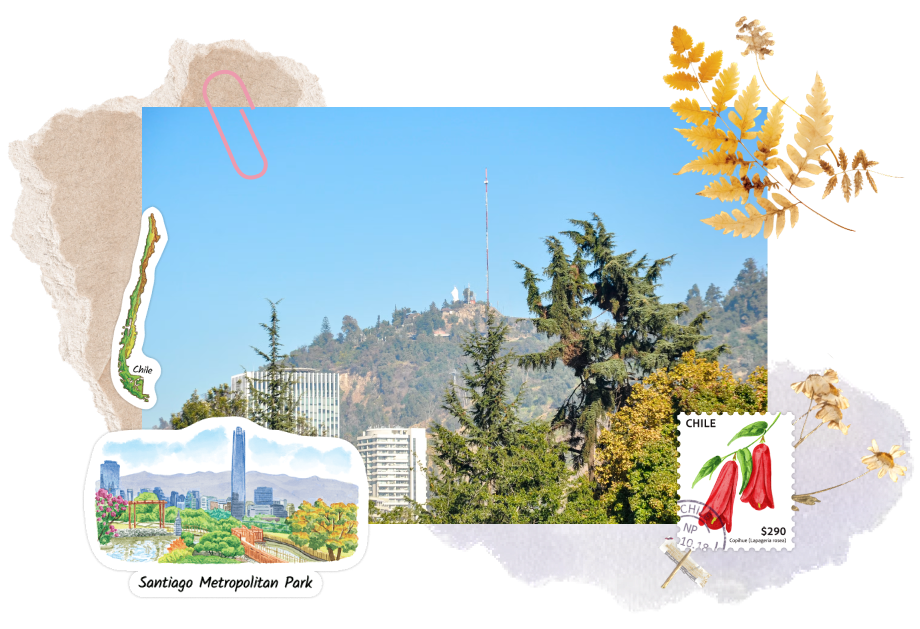
Fun Fact
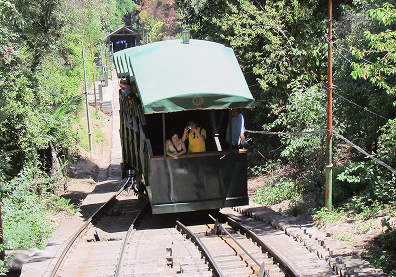
Climbing Cerro San Cristóbal since 1925, Santiago’s historic funicular has spent over a century pulling travelers up the slope in its iconic wooden-style cars.
Photo Tip
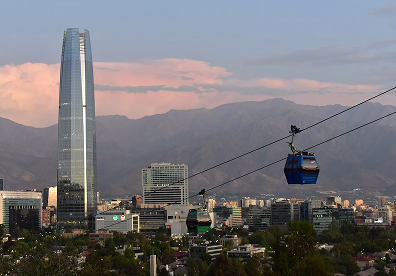
Step up to the highest lookouts and use a cable car or stone railing to frame your shot. Head up on a crisp, early morning for your best view of the Andes.
Travel Tip
Take the funicular or cable car to the summit, then enjoy an easy downhill stroll through the gardens. Double-check transport schedules online before you head out.
Family Travel Tip
Let the uphill ride become part of the adventure. Taking the cable car or funicular up keeps kids excited and saves their energy for the trails and playgrounds above.
Look Closer Tip
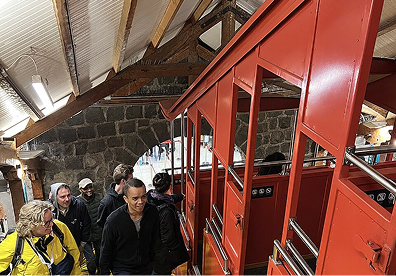
Notice the red funicular cars and castle-like Pío Nono station. The historic transport system is itself a protected Santiago landmark.
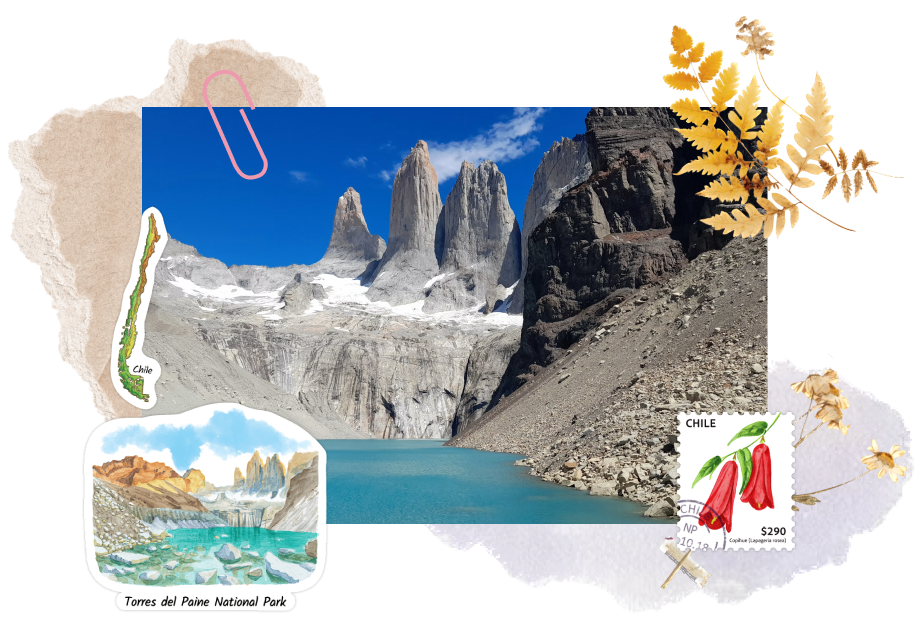
Torres del Paine National Park
Granite towers rise above turquoise lakes and open steppe, with glaciers cutting through the forest below.
Fun Fact
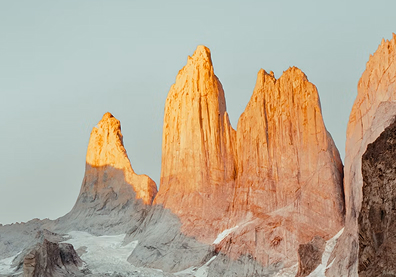
The park’s famous towers are huge granite peaks shaped over time by ice and erosion, forming the skyline that gave the park its name.
Photo Tip
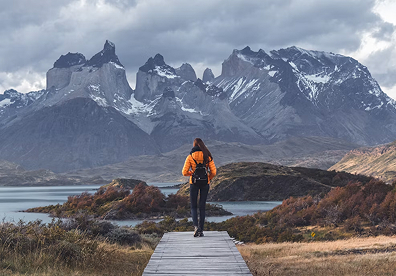
Photograph early, when winds are calmer, for clearer mountain detail. Use a lake, trail, or fence line to lead the eye toward the peaks.
Travel Tip

Base near Puerto Natales and book park entry and transport early. Patagonia’s weather shifts fast, so pack layers even in summer.
Family Travel Tip
Skip the longest hikes with younger kids. Shorter trails and scenic drives still reach glaciers, lakes, and wildlife up close.
Look Closer Tip
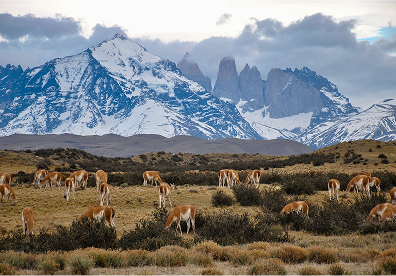
Watch how the environment changes within a short distance. Dry steppe gives way to forest, glacial water, and bare granite, all in one view.
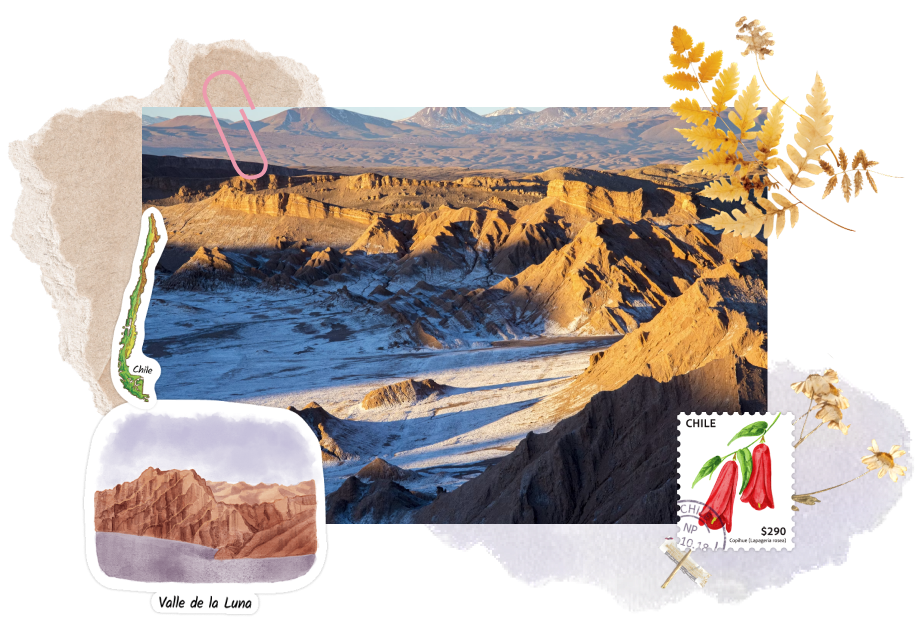
Valle de la Luna
Wind, and salt carved this Atacama valley over thousands of years. The result looks like something off Earth.
Fun Fact
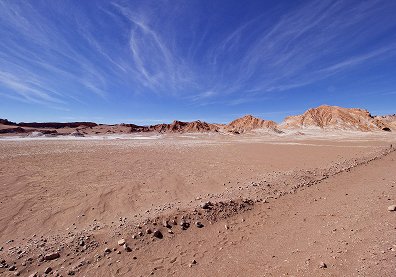
It is called “Valley of the Moon” for its cratered, salt-crusted terrain.
Photo Tip
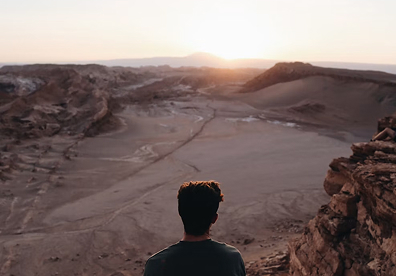
Visit near sunset and place a person low in the frame for scale. Tap the bright sky on your phone screen to keep the desert colors rich.
Travel Tip

Head out from San Pedro de Atacama with water, a hat, and strong sun protection. Buy tickets ahead and confirm the final entry time.
Family Travel Tip
The desert sun and altitude can tire children faster than expected. Carry extra water and stick to shorter, marked walks between viewpoints.
Look Closer Tip
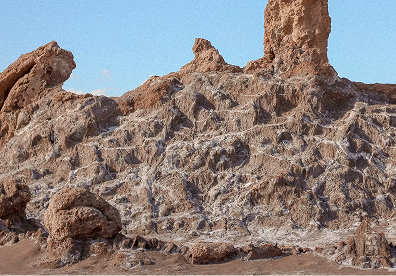
Look for the pale crust along the ground and cliffs. Much of the valley’s unusual texture comes from salt mixed throughout the the desert landscape.
Vicente Pérez Rosales National Park
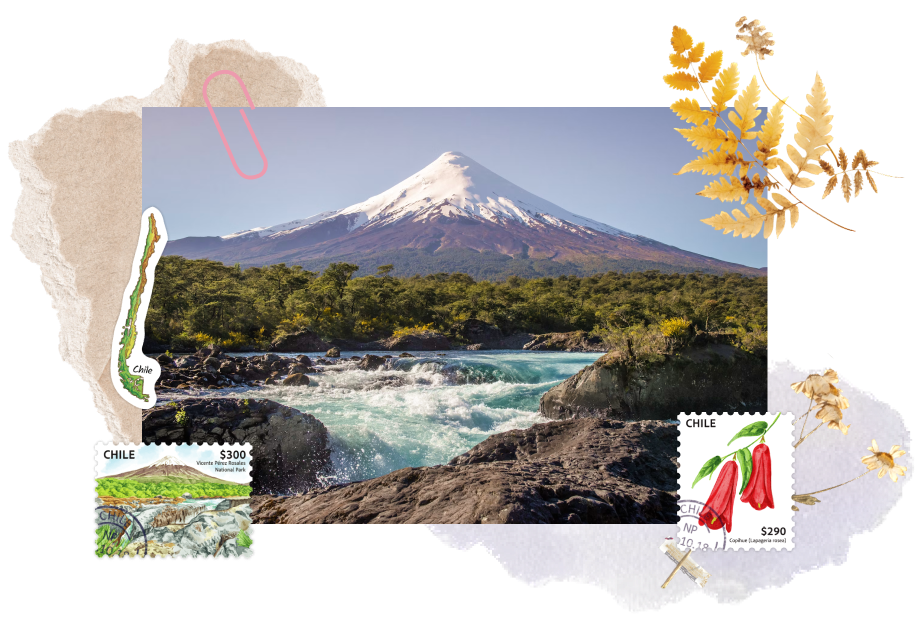
Near Puerto Varas, this southern Chilean park is filled with forests, rivers, waterfalls, lakes, and views of Osorno Volcano.
Fun Fact
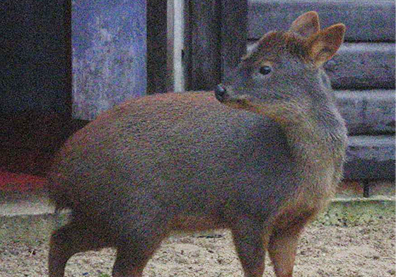
The park is home to the pudú, one of the world’s smallest deer, standing only about 13–17 inches tall.
Photo Tip
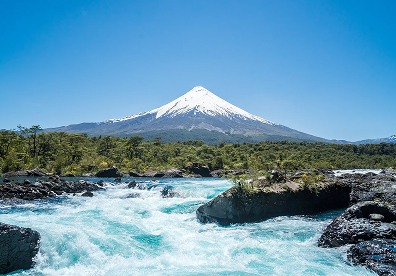
Use the lake shore or the rushing river falls as a natural foreground rather than zooming straight into Osorno Volcano. Calm morning waters reflect the cone clearly.
Travel Tip
Check official park conditions before driving, especially in winter. Weather can change road access and requirements around higher areas.
Family Travel Tip
Focus your itinerary on one or two accessible highlights like Petrohué Falls. The paved boardwalks deliver major scenic views without long, tiring hikes.
Look Closer Tip
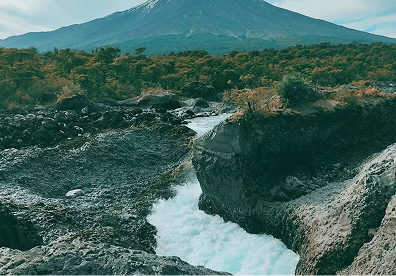
Watch where dark lava flows meet emerald glacial waters. The entire terrain reflects a landscape sculpted side-by-side by volcanic eruptions and ancient ice sheets.
Foods You Can't Miss
Cazuela
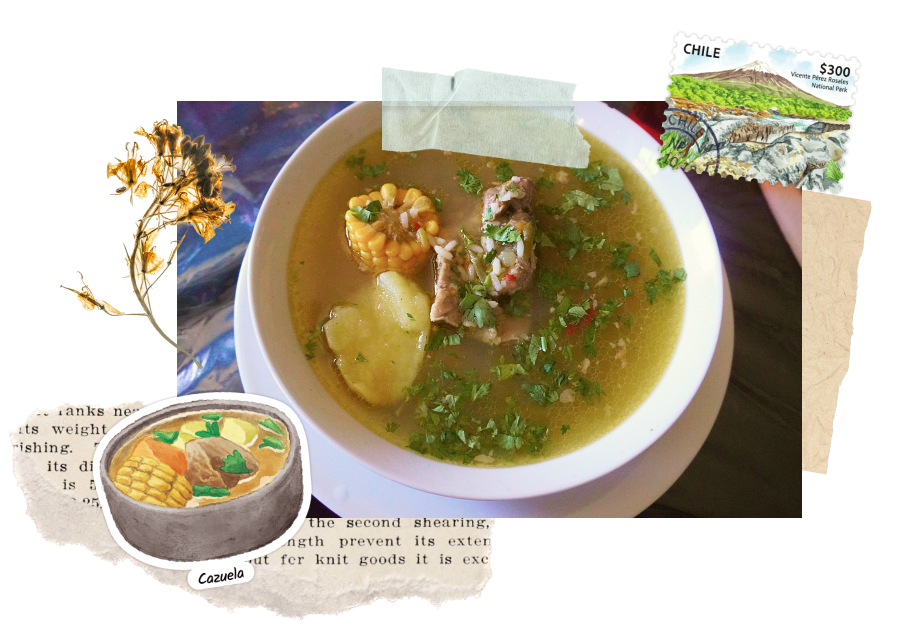
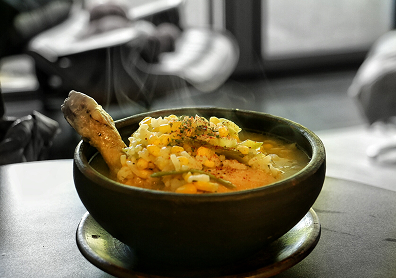
Cazuela is a warming Chilean broth served with large pieces of meat, potato, squash, corn, and vegetables, each kept distinct in the bowl.
Fun Fact
This classic soup is Chile’s answer to comfort food, often served when someone is cold, under the weather, or simply needs a little looking after.
Where to Eat? Tip
Visit La Casa Vieja in Vitacura for traditional cazuela de vacuno or cazuela de ave in a classic Chilean setting.
Photo Tip
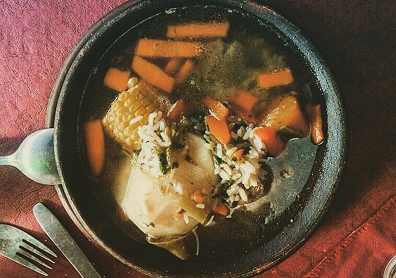
Take a top-down overhead photo before eating to capture the vibrant color contrast between the bright orange squash, yellow corn, green cilantro, and clear broth.
Authenticity Tip

Look for a clear, well-seasoned broth and large vegetable chunks that hold their shape. A good cazuela should not look like a thick stew or purée.
Order Like a Local Tip

Ask which cazuela is available that day. Beef and chicken are common choices, and the best version may depend on the kitchen’s daily preparation.
Completo
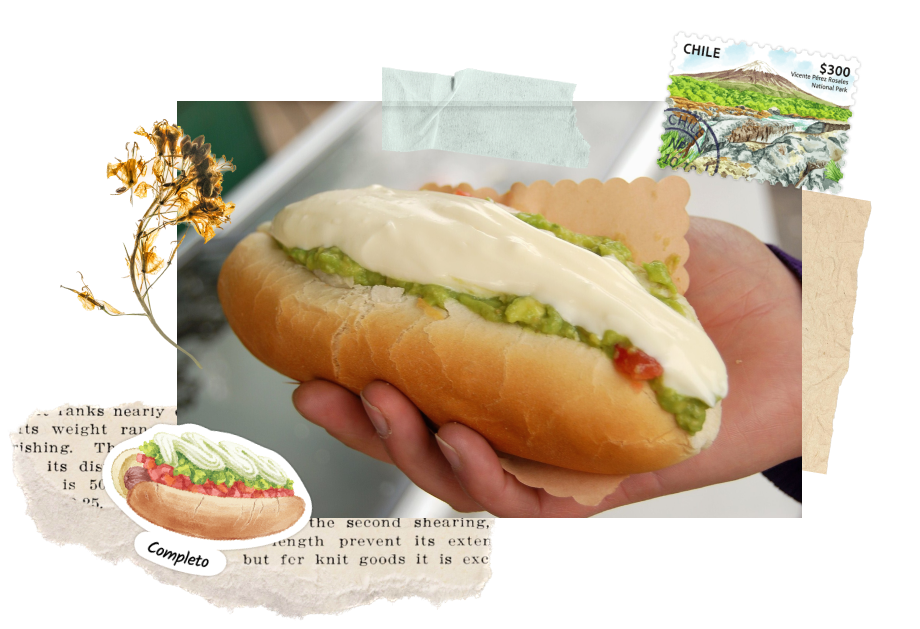
Chile elevates the classic street hot dog into a loaded dish, piling diced tomatoes, rich mashed avocado, and mayonnaise over a soft bakery bun.
Fun Fact
In the 1930s, Eduardo Bahamondes Muñoz gave the American hot dog a Chilean twist with avocado, tomato, sauerkraut, and mayo, creating the completo.
Where to Eat? Tip
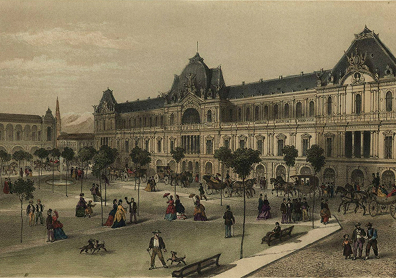
Stop by El Portal Exbahamondes inside the historic Portal Fernández Concha arcade at Plaza de Armas, the iconic birthplace of Santiago’s completo culture.
Photo Tip
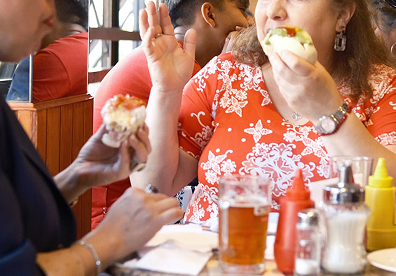
Position your camera at table level to capture the distinct colored layers from the side before the heavy mayonnaise and avocado begin to shift.
Authenticity Tip
For a completo Italiano, the most popular variation of completo, look for fresh diced tomato, mashed avocado, and a bold layer of mayonnaise. Red, green, and white echo Italy’s flag.
Order Like a Local Tip
Go for the completo Italiano with tomato, avocado, and mayo. Use both hands and expect a messy bite.
Empanada de Pino
Chile’s classic baked pastry wraps seasoned beef and onion with hard-boiled egg and an olive inside a golden, folded crust.
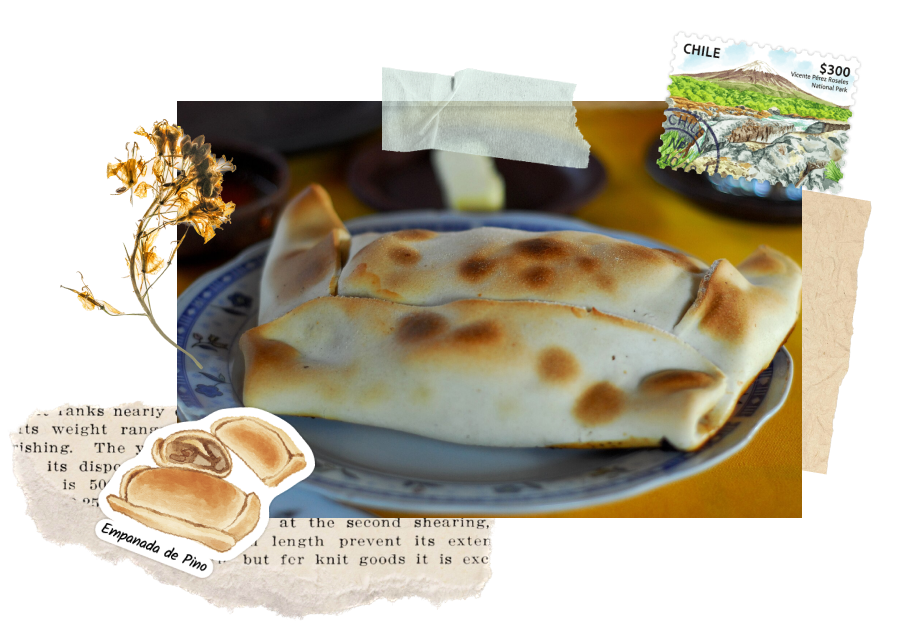
Fun Fact
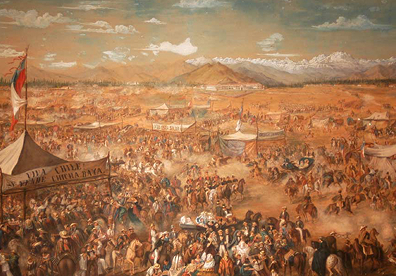
Empanadas de pino take center stage during Chile’s September Fiestas Patrias, when families gather around this much-loved national food.
Where to Eat? Tip
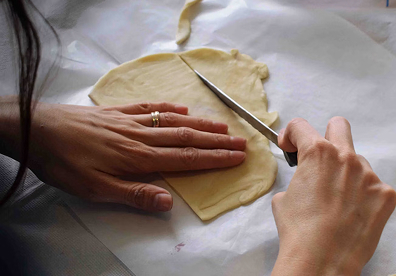
Head to Panadería Antofagasta in Santiago. Its empanada de pino won FECHIPAN’s 2026 blind tasting out of nearly 100 entries.
Photo Tip
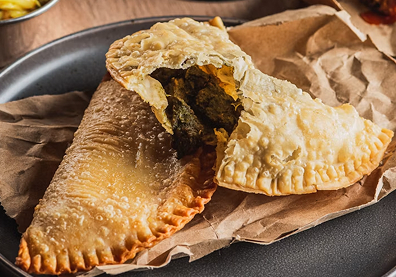
Break the empanada open before shooting. Window light angled from the side highlights the contrast between the shiny baked crust and the colorful filling inside.
Authenticity Tip
Look for a thin, golden crust that holds together while remaining tender. The beef and onion filling should be juicy and fragrant rather than greasy or dry.
Order Like a Local Tip
Ask for an empanada de pino al horno to get the classic baked version. Eat it warm, and expect the olive to contain a pit, as the traditional Chilean recipe states, unless the server tells you otherwise.
Mote con Huesillo
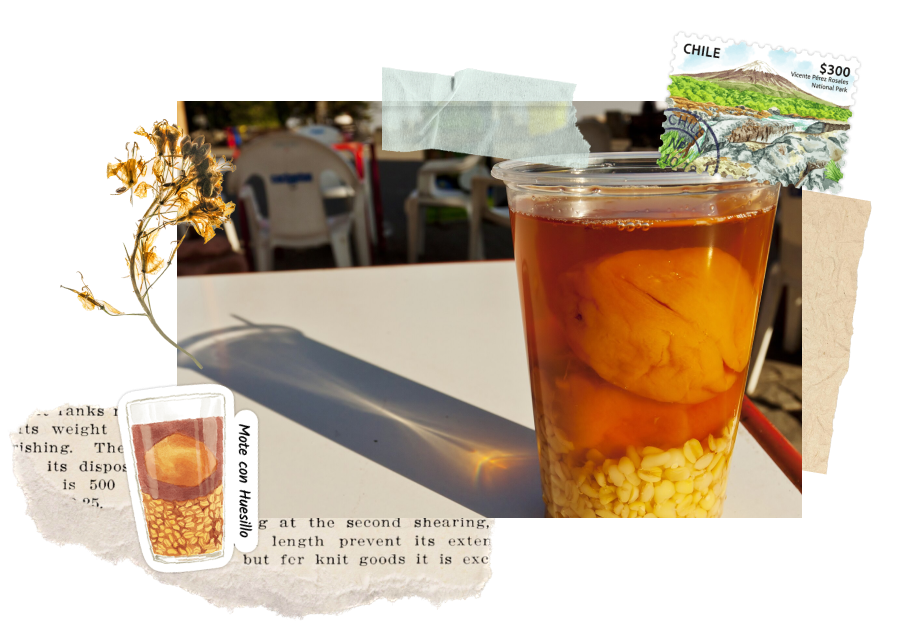
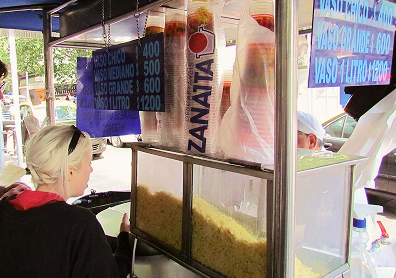
Part drink and part dessert, this Chilean summer favorite combines cooked wheat berries, dried peaches, and cold amber peach syrup in a tall glass.
Fun Fact
Chileans say “más chileno que el mote con huesillos” (“more Chilean than mote con huesillo”) for something unmistakably Chilean.
Where to Eat? Tip
Visit El Rey del Mote con Huesillo near Parque O’Higgins. This simple Santiago shop has served its family recipe since 1935.
Photo Tip
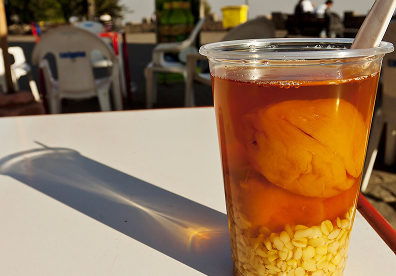
Hold the glass near a bright window or shaded outdoor table. Backlighting makes the amber syrup glow while keeping the wheat and peach easy to see.
Authenticity Tip
Look for plump wheat grains at the bottom, a whole softened dried peach, and clear amber syrup. It should arrive well chilled, especially in summer.
Order Like a Local Tip
Request a mote con huesillo in your preferred size. Use the spoon provided to eat the fruit and wheat first, then sip the remaining ice-cold syrup.
Pastel de Choclo
Chile’s classic baked pastry wraps seasoned beef and onion with hard-boiled egg and an olive inside a golden, folded crust.
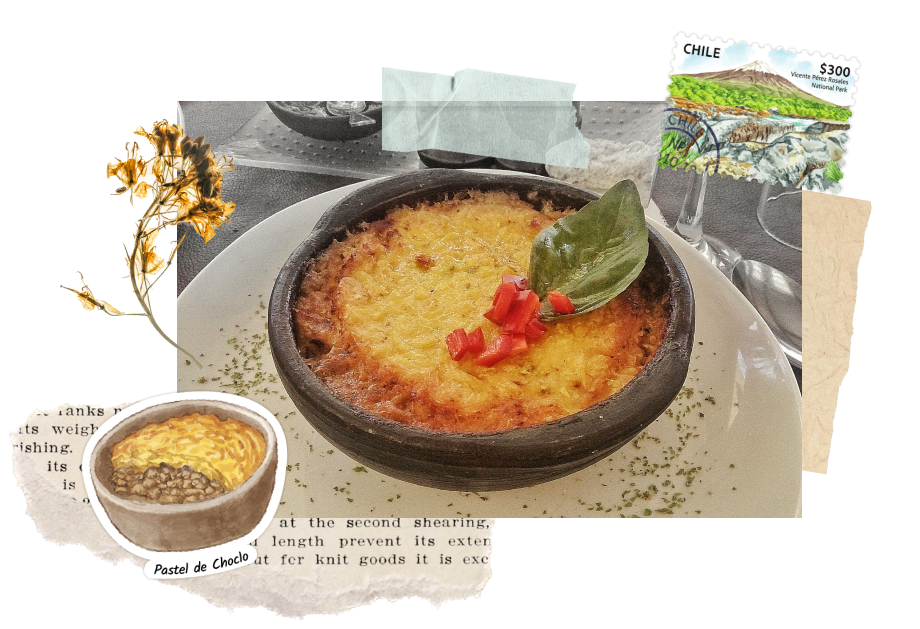
Fun Fact
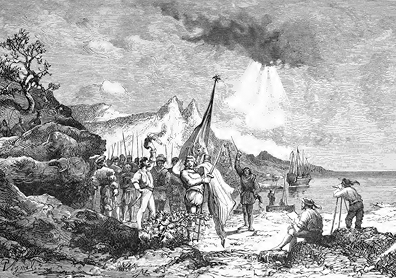
Pastel de choclo reflects Chile’s Indigenous and Spanish roots, pairing an Indigenous corn tradition with the savory pino introduced through colonial cuisine.
Where to Eat? Tip
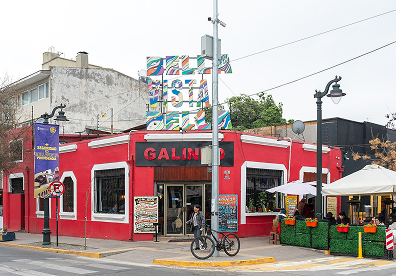
Try Galindo in Bellavista. The long-running Chilean restaurant lists pastel de choclo among its signature dishes.
Photo Tip
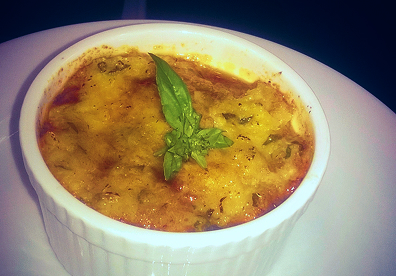
Take a photo of it intact before digging in, then take a second shot after lifting one spoonful. The cutaway reveals the corn topping and savory layers below.
Authenticity Tip
A good pastel has a thick corn layer with a browned top and juicy pino beneath. The corn should taste fresh and sweet rather than floury.
Order Like a Local Tip
Ask for pastel de choclo and expect a hearty portion. If you enjoy the classic sweet-savory contrast, keep the caramelized sugar topping.
Culture and Symbols
Andean Condor
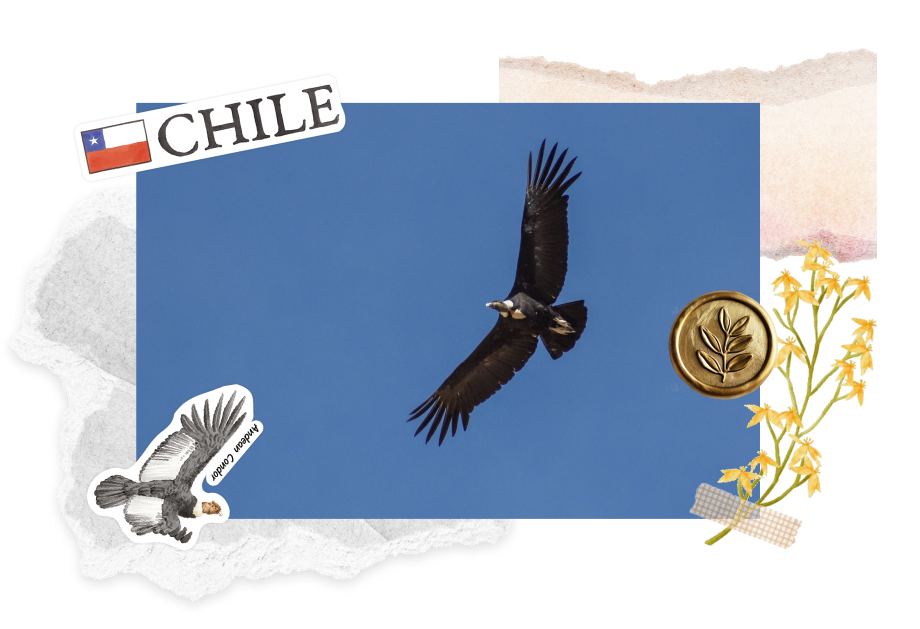
Chile’s national bird, the Andean condor soars over the Andes and Patagonia and is protected as a Natural Monument.
Fun Fact

Andean condors spend about 99% of their flight time soaring. One tracked bird flew over 100 miles without a single wingbeat.
Souvenir Tip
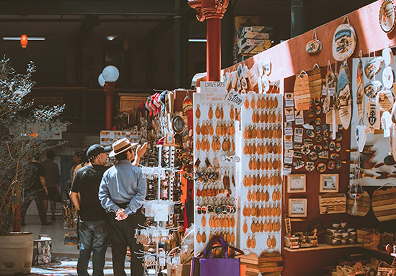
Choose a condor print, carved figure, or wildlife photo from a Chilean maker. Avoid feathers and anything made from real wildlife parts.
Where to Find? Tip
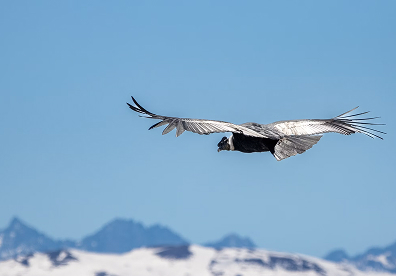
Scan the open skies and rocky cliffs at Mirador Cóndor in Torres del Paine National Park, where thermal currents draw them close to mountain ridge lookouts.
Araucaria
Araucaria araucana, also called pehuén, grows in southern Chile’s volcanic landscapes. Its tall trunk and umbrella-shaped crown can stand for centuries.
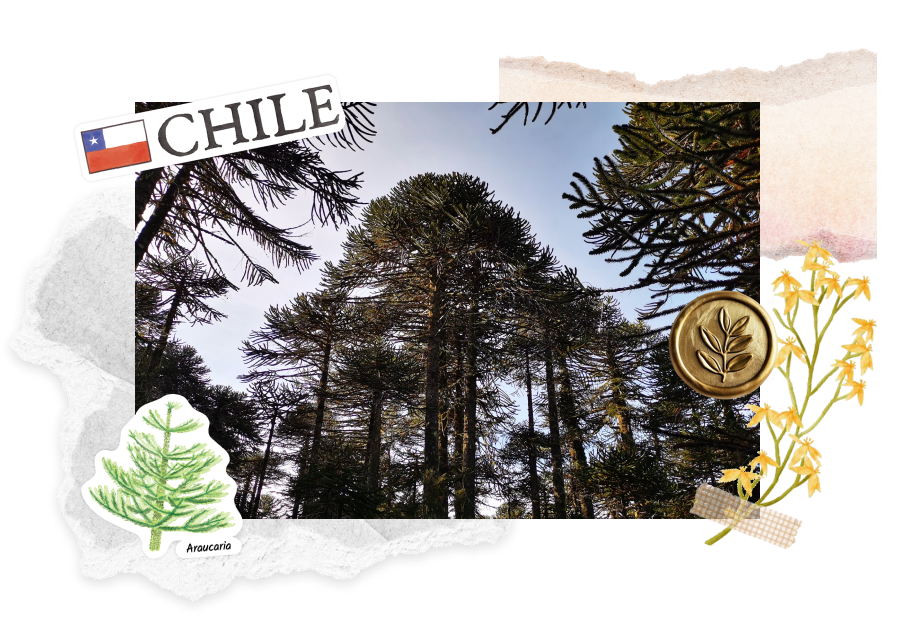
Fun Fact
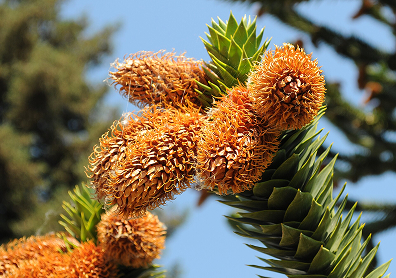
Some araucarias can live for more than 1,000 years. Their piñón seeds have long been an important food for Pehuenche communities.
Souvenir Tip
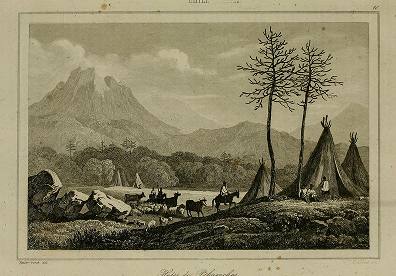
Choose ceramics, prints, or textiles with the tree’s silhouette. Never collect seeds, branches, or wood inside national parks and reserves.
Where to Find? Tip
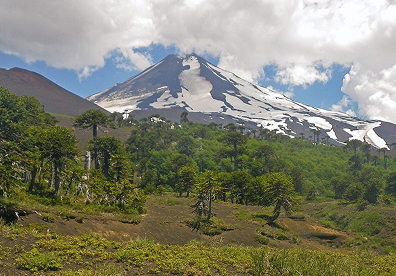
Walk the forests of Conguillío National Park in La Araucanía, where ancient araucarias rise beside lakes, lava fields, and Volcán Llaima.
Copihue (Lapageria rosea)
The copihue, Chile’s national flower, is a native forest vine with waxy, bell-shaped blooms in red, pink, and white.
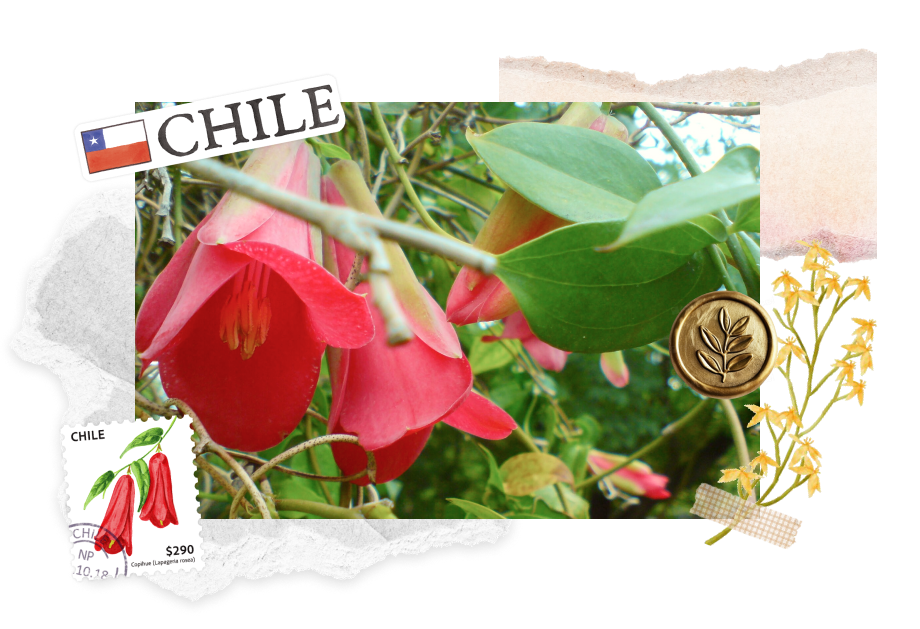
Fun Fact
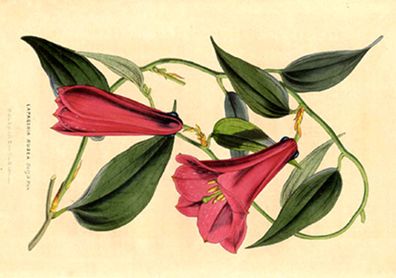
A Mapuche legend tells of Hues and Copih, lovers from rival groups whose names became linked to the copihue and its red, bell-shaped flowers.
Souvenir Tip
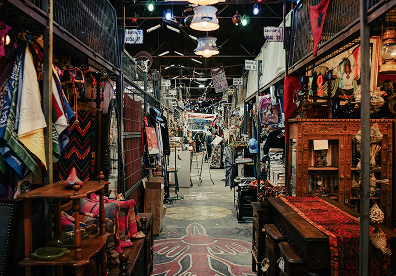
Look for silver pendants, hand-painted ceramic tiles, or embroidered linens featuring the copihue vine motif. Never pick or buy wild plants.
Where to Find? Tip
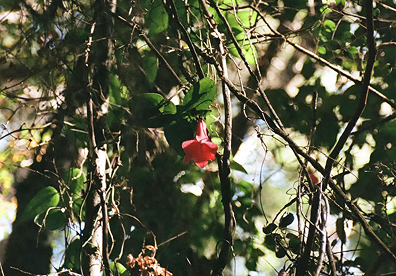
Walk Cerro Ñielol’s shaded trails in Temuco, where wild copihue vines bloom among native forest, mainly from February to May.
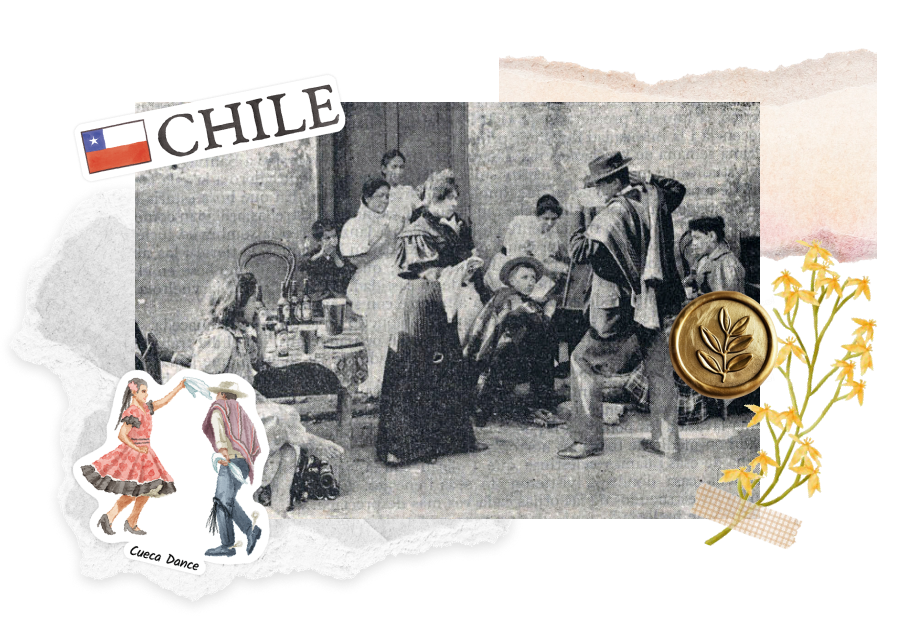
Cueca Dance
Chile’s national dance, the cueca, pairs partners who circle, wave white handkerchiefs, and perform playful courtship steps to lively music.
Fun Fact
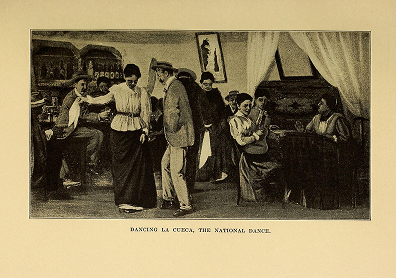
Cueca became Chile’s national dance by decree in 1979, yet regional forms range from cueca nortina and chilota to the urban cueca brava.
Souvenir Tip
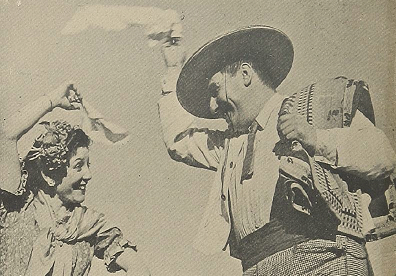
A simple cueca handkerchief makes a light keepsake. Choose one sewn or embroidered in Chile instead of a mass-produced costume piece.
Where to Find? Tip
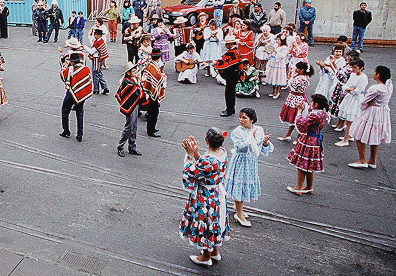
September’s Fiestas Patrias is the easiest time to see cueca across Chile. Community fondas mix dancing with food, music, and family traditions.
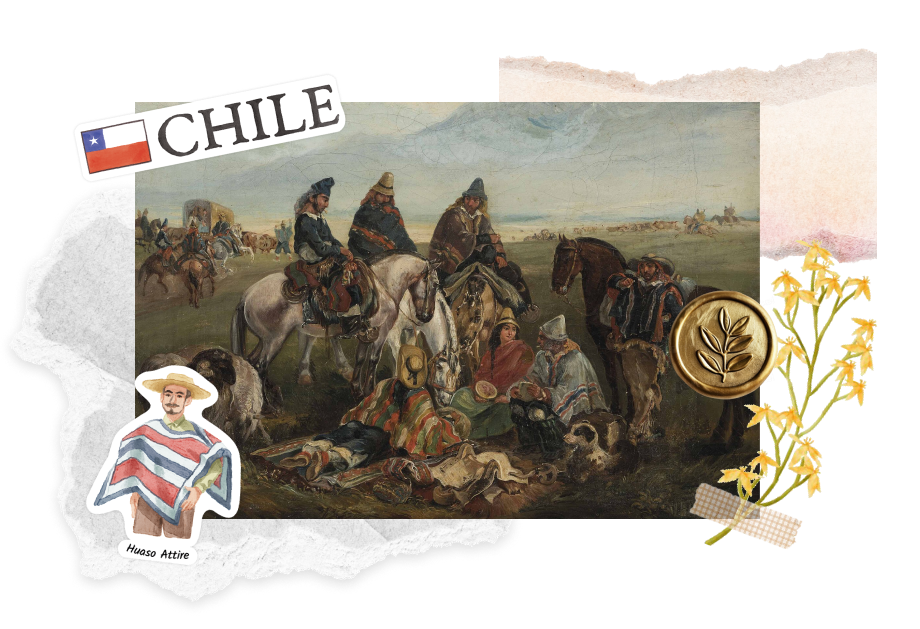
Huaso Attire
Central Chile’s huaso dress pairs a short jacket, sash, fitted trousers, boots, hat, and often a woven chamanto, linking rural life with master textile craftsmanship.
Fun Fact
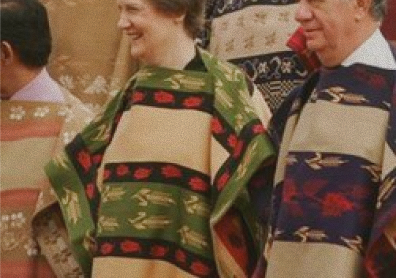
A fine chamanto is reversible and rich with woven patterns. Doñihue is one of the few places where this demanding textile tradition survives.
Souvenir Tip
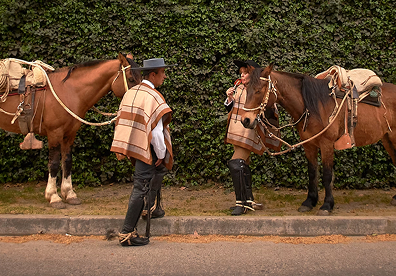
Rather than a costume set, look for a small woven piece or artisan-made hat from central Chile. Ask who made it and where it comes from to help verify authenticity.
Where to Find? Tip
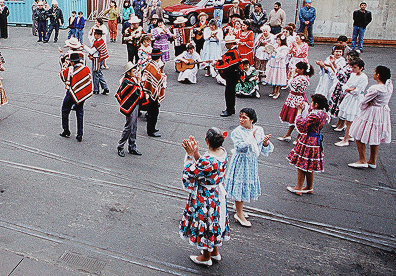
Visit Doñihue in the O’Higgins Region to learn about chamanto weaving, or see full huaso dress during September’s Fiestas Patrias.
Lapis Lazuli
Chilean lapis lazuli is a deep-blue semiprecious rock from the Andes near Ovalle, often marked by pale calcite and metallic flecks of pyrite.
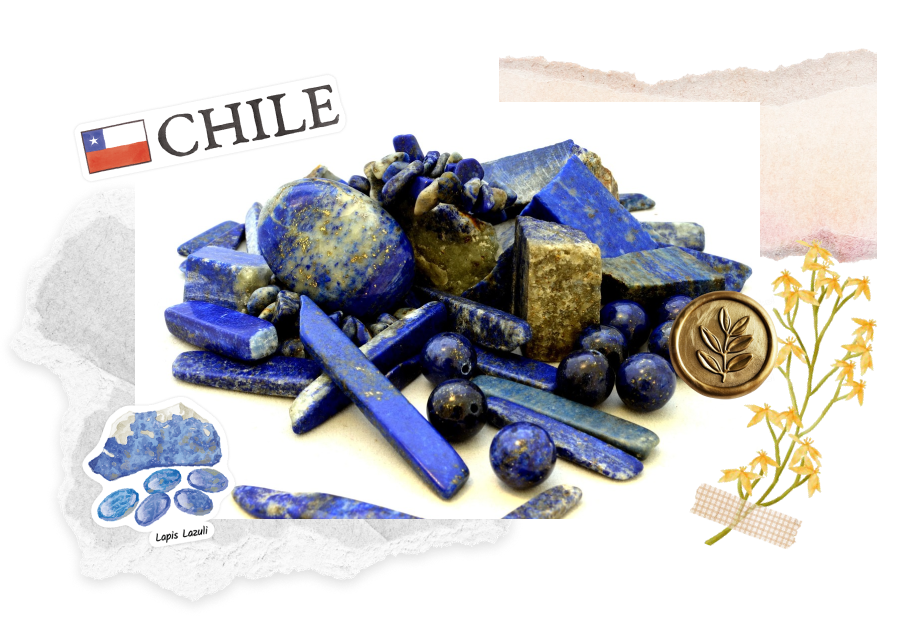
Fun Fact
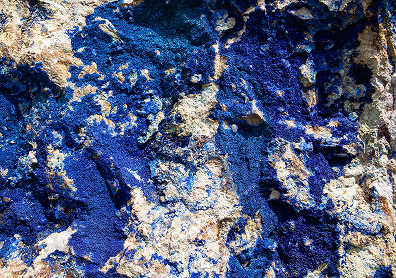
Lapis lazuli isn’t a single mineral. It’s a rock made mainly of blue lazurite, white calcite, and golden pyrite.
Souvenir Tip
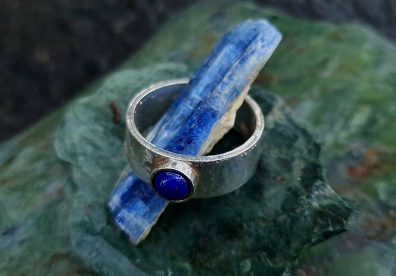
Look for a pendant, ring, or polished stone from a Chilean artisan. Ask whether the lapis is Chilean and whether the setting is solid or plated metal.
Where to Find? Tip
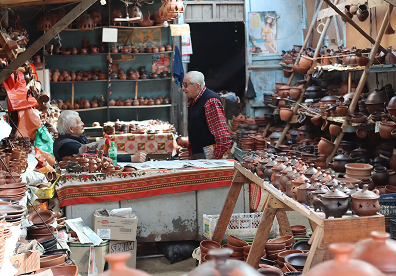
Browse Los Dominicos Craft Centre in Santiago, where workshops sell lapis jewelry alongside many forms of handmade Chilean craft.
Mapuche Kultrún Drum
The kultrún is a sacred Mapuche drum used by a machi (healer) in ceremonies, with painted symbols representing nature and the cosmos.
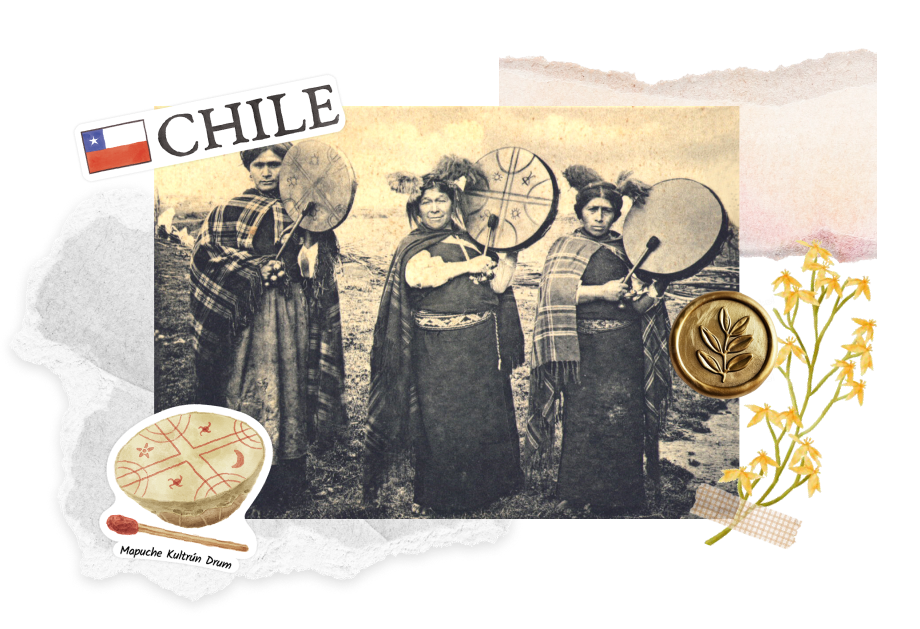
Fun Fact

It reflects the Mapuche universe, with four sections for the cardinal directions and symbols for the sun, moon, and stars.
Souvenir Tip
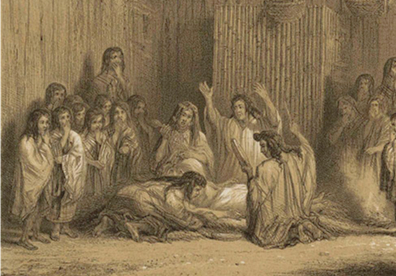
Treat the kultrún as a ceremonial object, not a costume prop. For a keepsake, choose Mapuche-made art or an educational replica with context.
Where to Find? Tip
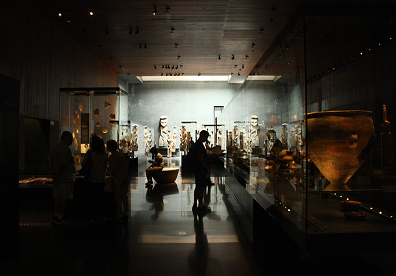
See a kultrún in the permanent Chile Before Chile collection at Santiago’s Pre-Columbian Art Museum, where its ritual significance is explained.
Valparaíso Street Art
Murals cover stairways, houses, and alleys in Valparaíso, turning the port’s steep hills into an open-air record of local creativity and identity.
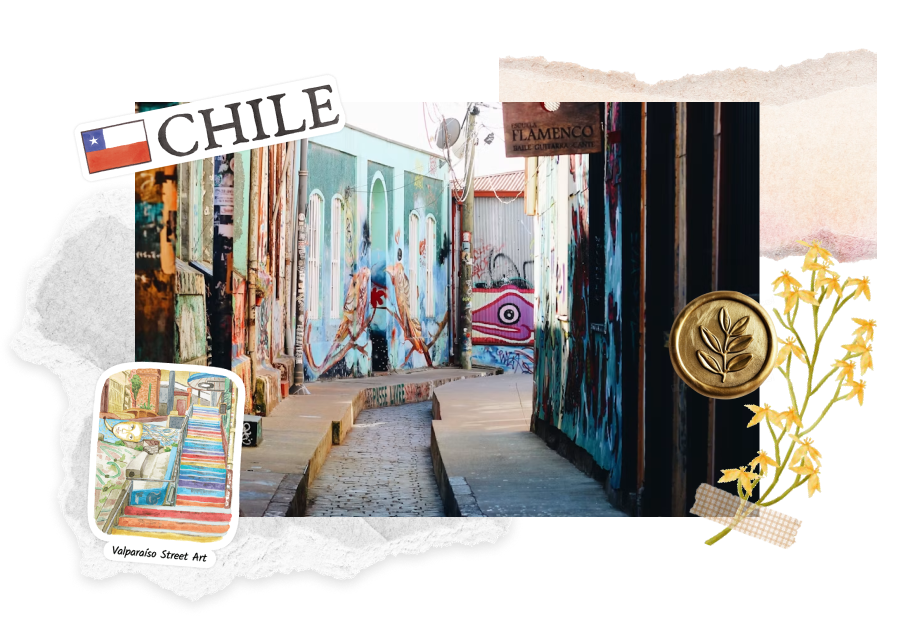
Fun Fact
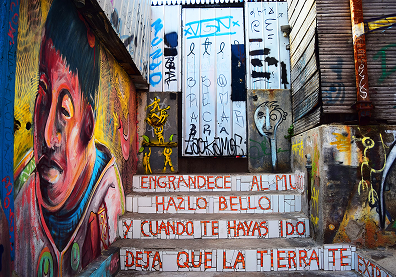
Some famous works cover entire stairways, so the image changes as you climb. Cerro Concepción is one of the city’s street art centers.
Souvenir Tip
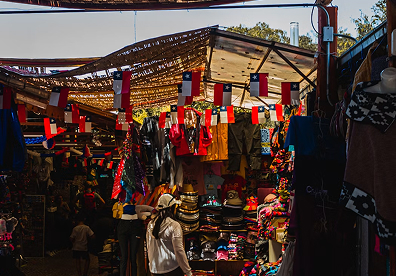
Choose a print, postcard, or small artwork that credits its artist. Buying from local studios keeps the memory connected to its maker.
Where to Find? Tip
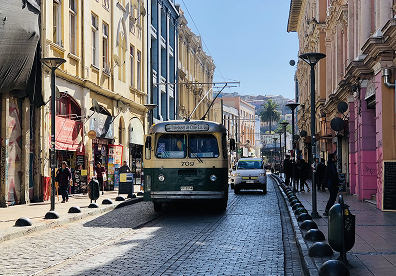
Explore Cerro Concepción and Cerro Alegre by passageways, and historic funiculars. Go early for quieter streets.


What was your favorite element to draw and why?
It was Vicente Pérez Rosales National Park because I love drawing natural elements, and this place offers an incredible variety of forms and textures to explore. In a single scene, you can find snow-capped mountains, dense forests, flowing rivers, and unique rock formations. The combination of beautiful colors, organic shapes, and rich textures feels almost like it’s calling me to draw.

Gelar

What is your favorite story from researching about the destination?
My favorite story is the moai of Rapa Nui. I’m a sucker for generational stories (I love multigenerational novels!) and I was drawn to the belief that our ancestors continue to watch over us. Even when they’re no longer physically here, they remain part of our story and the generations that follow.

Angela







Travel Journaling Prompts